
Short answer: Microbiology laboratory consulting helps hospital, clinic and reference labs set up and run CLIA-compliant infectious disease testing. A consultant plans the test menu and complexity, files the CLIA certificate and state license, verifies each method under 42 CFR 493.1253, builds QC plans for the five microbiology subspecialties (42 CFR 493.1261 to 42 CFR 493.1265), enrolls proficiency testing, qualifies personnel and prepares for CAP, COLA or Joint Commission surveys, then provides ongoing oversight: monthly QC and PT review, six-element competency assessment, antibiogram support and mock surveys. Sound Lab Consultants does this work nationwide.
Last reviewed November 25, 2026. Primary sources: 42 CFR Part 493, CMS CLIA, FDA STIC.
About this page: this is a compliance and quality-management guide, not a laboratory procedure. Testing methods come from the test manufacturer and your director-approved procedures. Photos are public domain or openly licensed images credited below; SLC is not affiliated with their sources.
What microbiology laboratory consulting covers
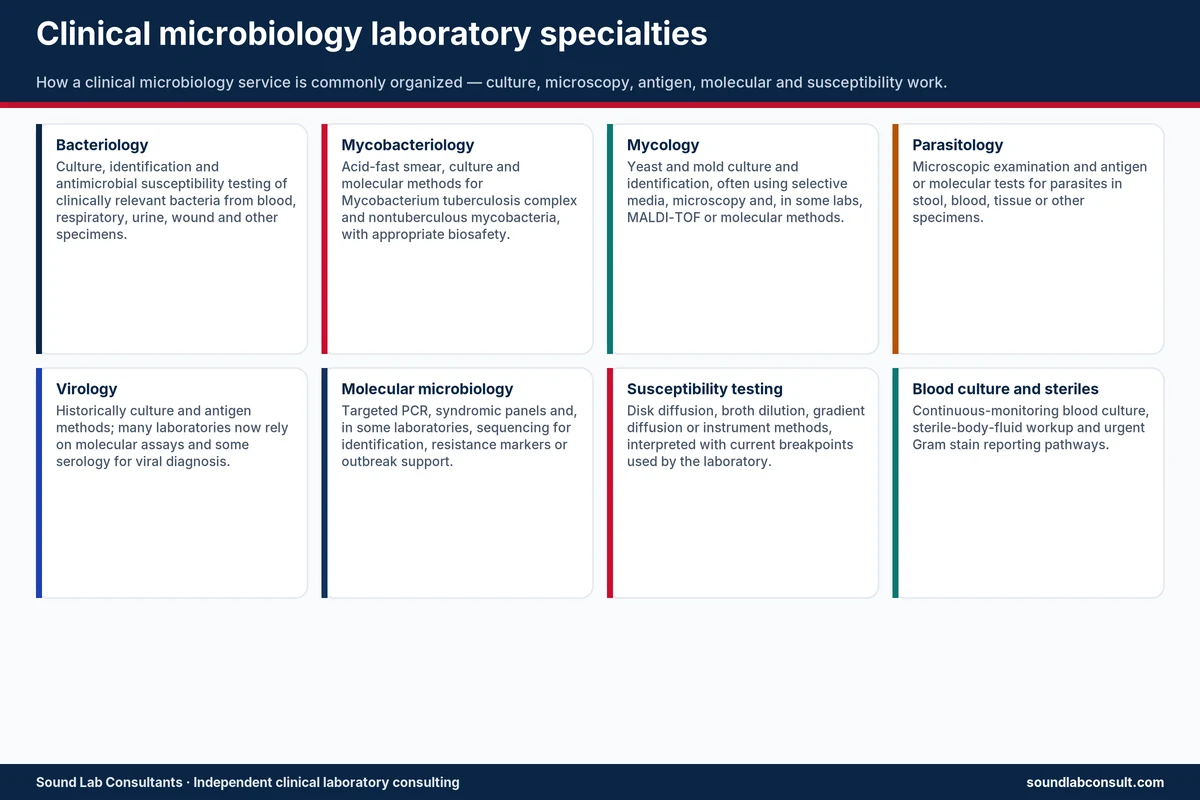
Microbiology laboratory consulting is expert help to plan, license, verify and oversee a clinical laboratory's testing for bacteria, viruses, fungi and parasites so it meets CLIA (42 CFR Part 493) and accreditation standards. The work sits on the compliance side of the lab: regulations, documents, quality control, personnel and surveys. The laboratory director stays responsible for the testing and every medical decision; the consultant makes sure the systems around that testing hold up.
Microbiology is one of the most document-heavy areas a lab can add. Each subspecialty has its own quality control standard, proficiency testing rules and personnel expectations, and susceptibility breakpoints change on a published schedule. A missed weekly control, an expired lot of antisera or an old breakpoint table is enough to earn a deficiency on a CMS, CAP, COLA or Joint Commission survey. Sound Lab Consultants (SLC) helps labs avoid those gaps from day one and keeps them closed afterward.
Typical clients include hospital laboratories adding or rebuilding a microbiology section, urgent care and multi-site clinic groups moving from send-outs to in-house testing, physician office labs adding rapid infectious disease tests, reference and molecular labs adding infectious disease panels, and labs that just received a survey deficiency in microbiology.
CLIA microbiology specialty and subspecialties
Under CLIA, 42 CFR Part 493, microbiology is a specialty with five subspecialties. A lab lists the ones it performs on its CMS-116 application, and each one carries its own condition (42 CFR 493.1201 to 42 CFR 493.1205), quality control standard (42 CFR 493.1261 to 42 CFR 493.1265) and proficiency testing standard (42 CFR 493.823 to 42 CFR 493.831). Molecular infectious disease tests are placed in the subspecialty of the organism they detect.
| Subspecialty | What it covers | Common test types | Typical complexity |
|---|---|---|---|
| Bacteriology | Bacteria from blood, urine, wounds, throat, stool, genital and respiratory specimens | Culture and identification, Gram stain, rapid antigen (e.g. group A strep), molecular/PCR panels, antimicrobial susceptibility testing (AST) | Rapid antigen kits are often waived; Gram stain and many molecular tests moderate or high; culture with identification and AST usually high |
| Mycobacteriology | Tuberculosis and other mycobacteria | Acid-fast stain, culture, molecular detection, susceptibility | High. Most clinic and community hospital labs refer these specimens to reference or public health labs |
| Mycology | Yeasts and molds | KOH or wet-mount microscopy, culture and identification, antigen tests, antifungal susceptibility | KOH preps can fall under provider-performed microscopy (PPM); culture and identification usually high |
| Parasitology | Intestinal and blood parasites | Ova and parasite exam, antigen tests (e.g. Giardia), molecular GI panels, pinworm and trichomonas exams | Some antigen and wet-mount tests are waived or PPM; permanent-stain O&P is high |
| Virology | Respiratory, sexually transmitted, herpes and other viruses | Rapid antigen (flu, RSV, COVID-19), molecular/PCR, viral culture (now uncommon) | Many antigen and some molecular tests are waived; lab-based PCR moderate or high |
Complexity is set by FDA for each specific test system, not by subspecialty, so the same analyte can be waived on one platform and high complexity on another. We confirm every test on your menu in the FDA CLIA test categorization database before you file. Modifying an FDA-cleared test, such as changing the specimen type, makes it high complexity and moves it to full validation. See our CLIA specialties and subspecialties guide.
Subspecialty quality control at a glance
On top of the general control rules in 42 CFR 493.1256, each subspecialty adds its own requirements. These are regulatory minimums; your accreditor and test manufacturer may require more.
| Subspecialty | Key CLIA QC requirement (summary) |
|---|---|
| Bacteriology (493.1261) | Beta-lactamase methods checked each day of use (the rule names one exception); Gram stains each week of use; antisera when each batch, lot and shipment is prepared or opened and every 6 months; AST media and agents checked per batch, lot and shipment, with control organisms each day tests are performed and results in range before reporting |
| Mycobacteriology (493.1262) | Identification reagents and procedures checked each day of use with acid-fast positive and negative controls; susceptibility media and agents checked per lot and shipment, controls each week tests are performed |
| Mycology (493.1263) | Lactophenol cotton blue checked per batch, lot and shipment; antifungal susceptibility controls each day tests are performed |
| Parasitology (493.1264) | Reference collection of slides or photographs; calibrated ocular micrometer when size matters; permanent stains checked each month of use with a fecal control |
| Virology (493.1265) | When cell culture is used, a cell substrate control or uninoculated cells incubated alongside as a negative control |
Many labs use an Individualized Quality Control Plan (IQCP) for microbiology to set control frequency for commercial media and some test systems. IQCP is the alternative referenced in 493.1256(d); it needs a documented risk assessment for each test system and does not replace subspecialty rules it does not cover.
Common organisms clinical microbiology labs report
These are some of the organisms most often detected in hospital and clinic labs. The descriptions are general patient-education summaries, not diagnostic guidance; your test menu, the manufacturer's instructions and your medical director decide what is tested and how results are reported.
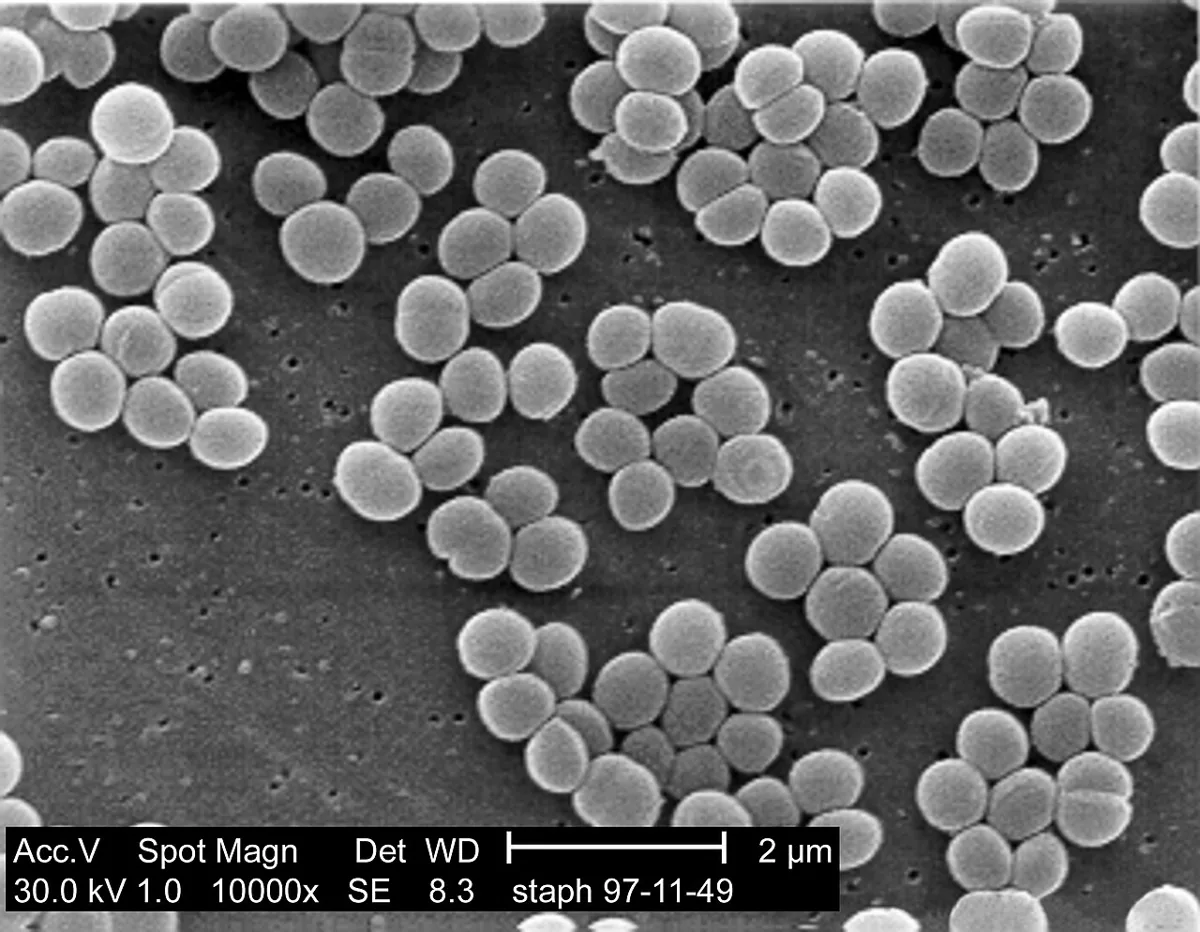

Staphylococcus aureus (staph)
What it is: A common bacterium that lives on skin and in the nose. It can cause skin and wound infections and, less often, serious bloodstream, bone or lung infections. MRSA is a strain resistant to certain antibiotics.
Tests that commonly detect it: Wound, blood and respiratory cultures; Gram stain; molecular MRSA/MSSA screens and blood culture panels; susceptibility testing.
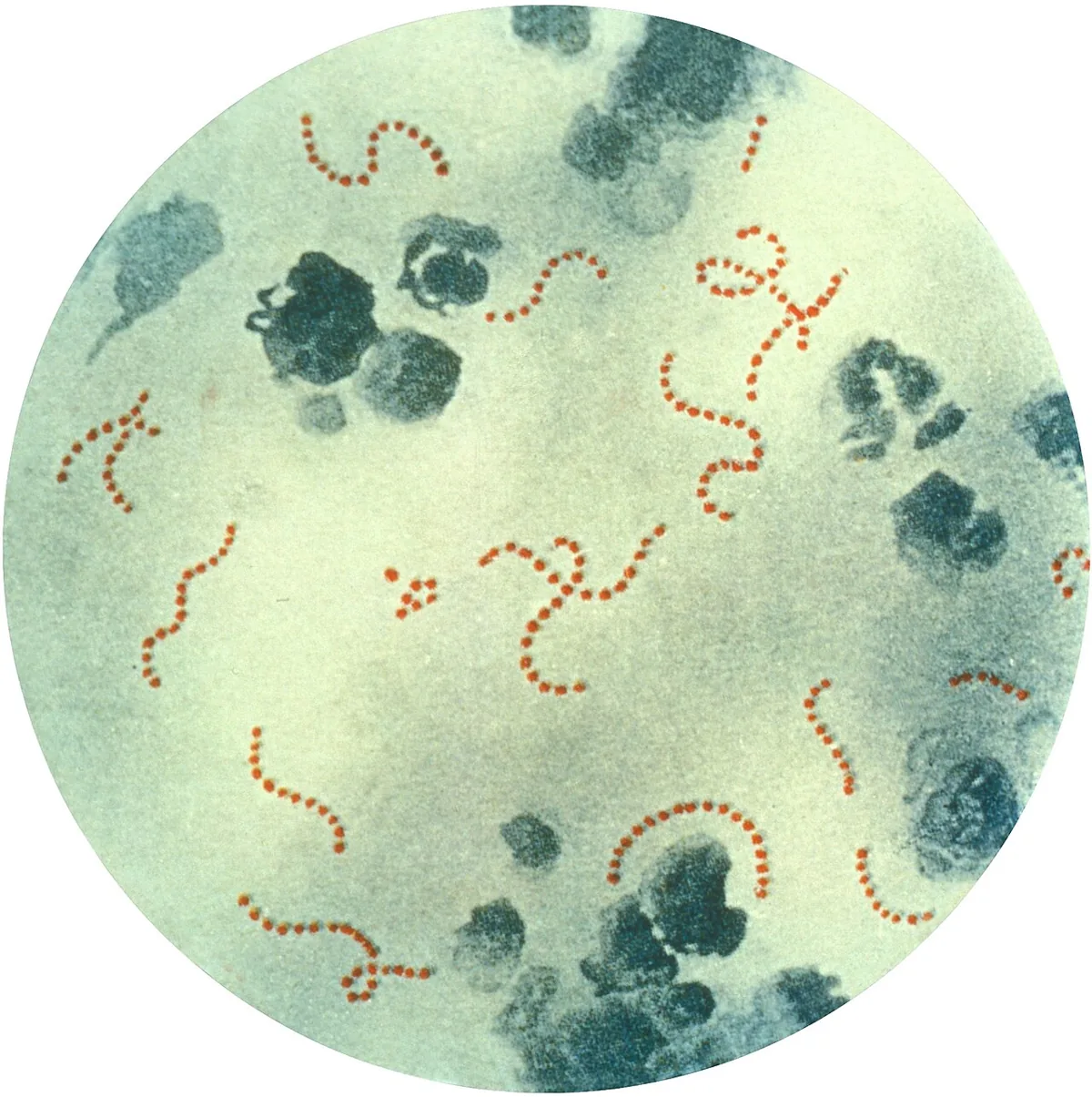

Streptococcus (strep)
What it is: Group A strep causes strep throat and skin infections. Group B strep is checked in pregnancy because it can affect newborns. Other streptococci cause pneumonia and ear infections.
Tests that commonly detect it: Rapid antigen and molecular throat tests (often waived), throat culture, group B strep culture or PCR, blood culture.
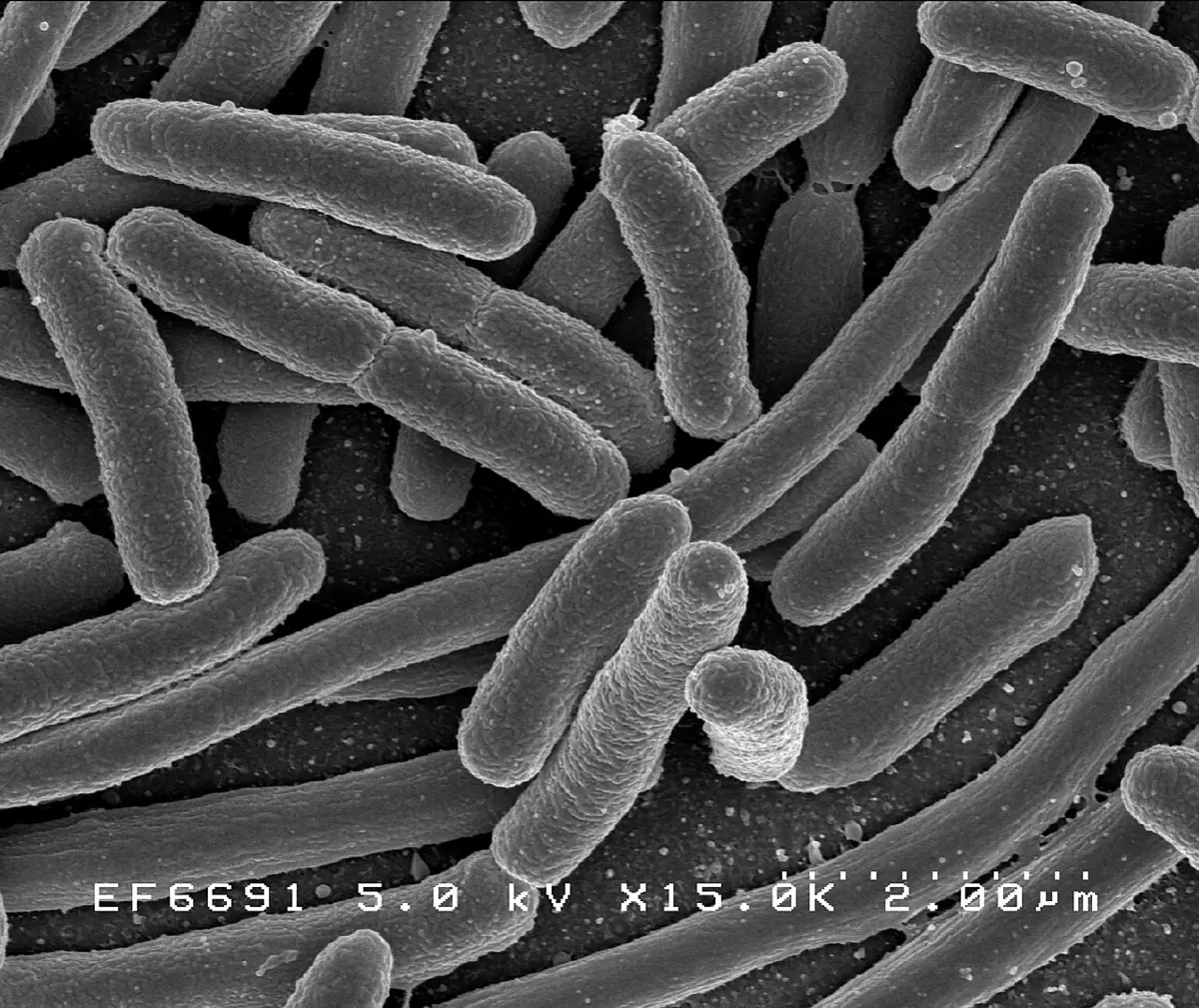

Escherichia coli (E. coli)
What it is: A normal gut bacterium and the most common cause of urinary tract infections. Some strains cause diarrheal illness; many labs track resistant strains.
Tests that commonly detect it: Urine culture with susceptibility, blood culture, molecular stool (GI) panels.
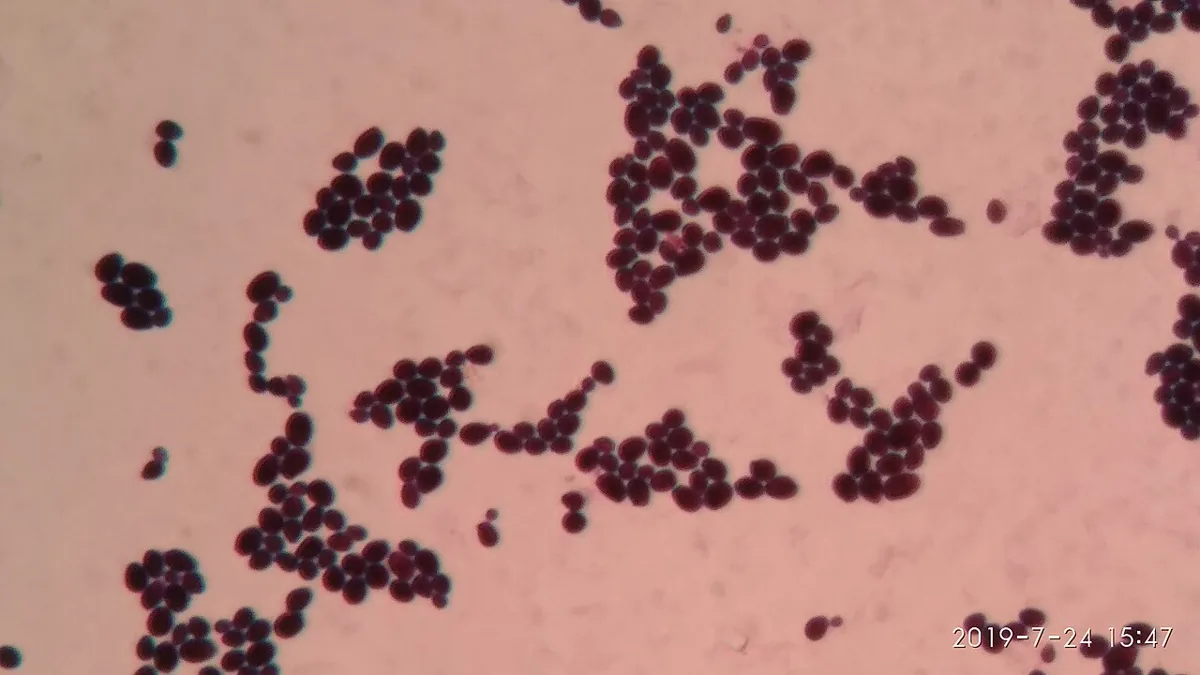

Candida (yeast)
What it is: A yeast that normally lives on the body. Overgrowth causes thrush, vaginal yeast infections and, in hospitalized patients, bloodstream infections.
Tests that commonly detect it: Wet mount or KOH prep, culture and identification, molecular vaginitis panels, blood culture.
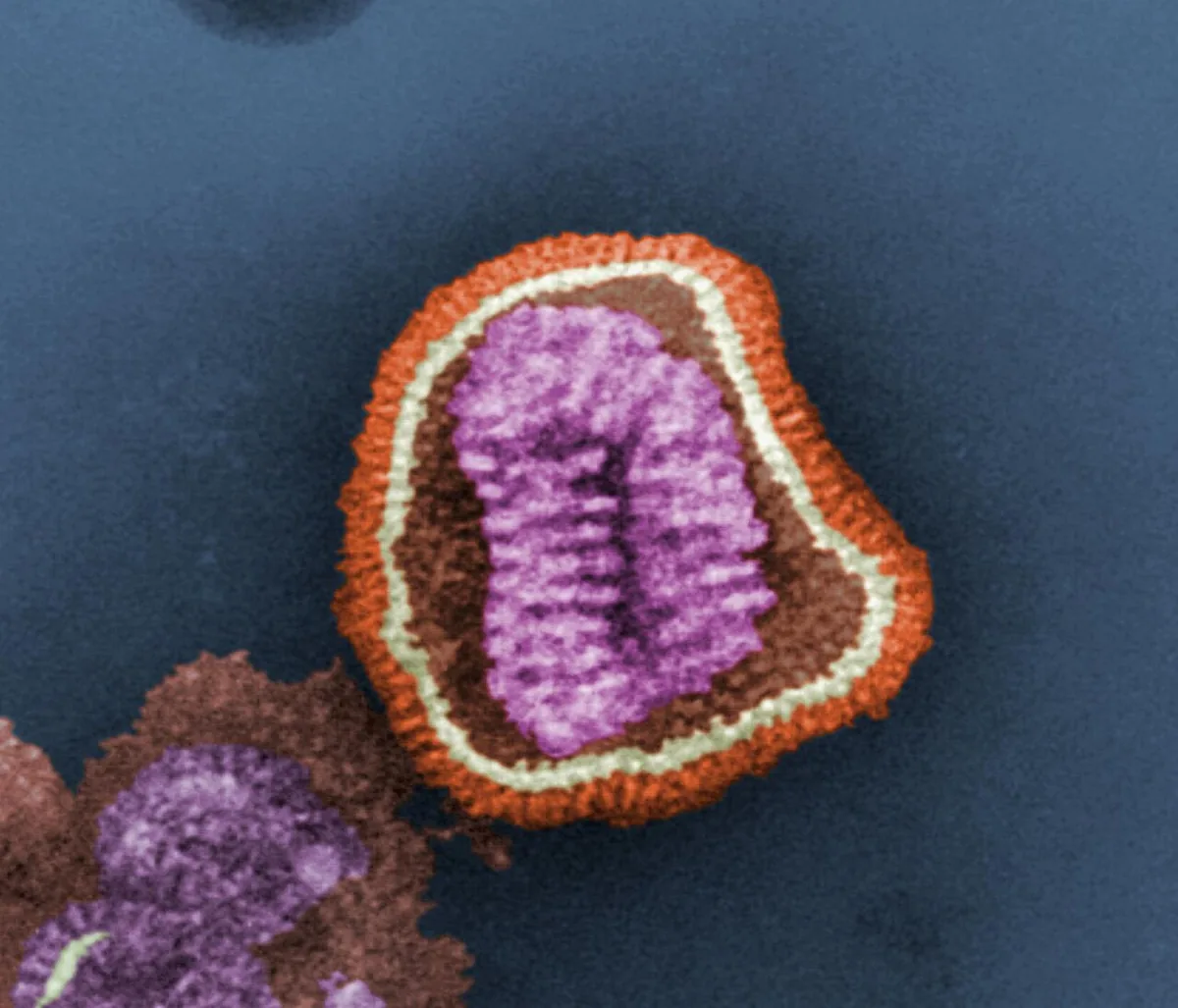

Influenza (flu)
What it is: A seasonal respiratory virus. Type A and type B cause most flu illness each winter.
Tests that commonly detect it: Rapid antigen tests, rapid molecular tests (some waived), lab-based PCR and multiplex respiratory panels.
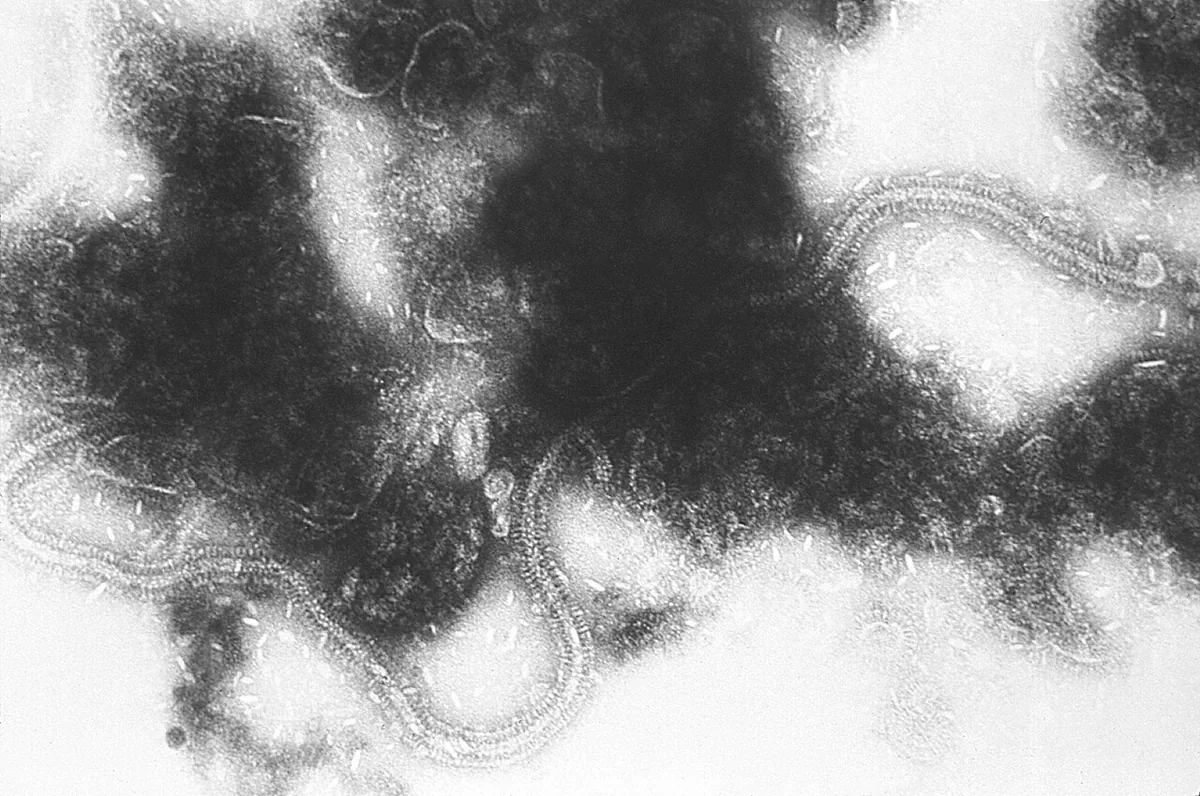

RSV (respiratory syncytial virus)
What it is: A common respiratory virus that usually causes cold-like symptoms but can be serious for infants and older adults.
Tests that commonly detect it: Rapid antigen, rapid molecular and multiplex respiratory PCR panels.
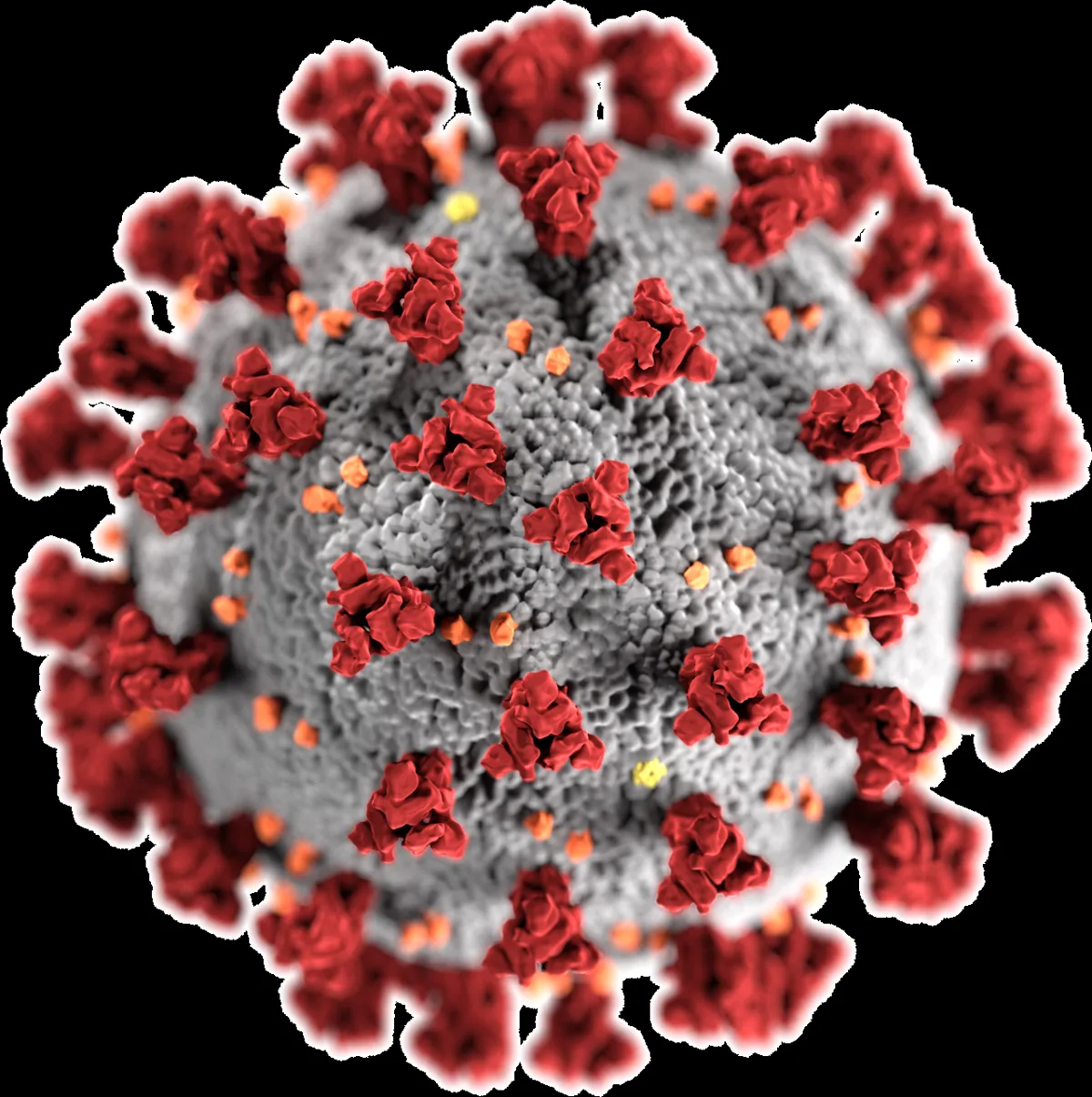

SARS-CoV-2 (COVID-19)
What it is: The coronavirus that causes COVID-19. Testing moved from emergency use to routine respiratory menus.
Tests that commonly detect it: Antigen tests, rapid molecular tests and PCR, often combined with flu and RSV.
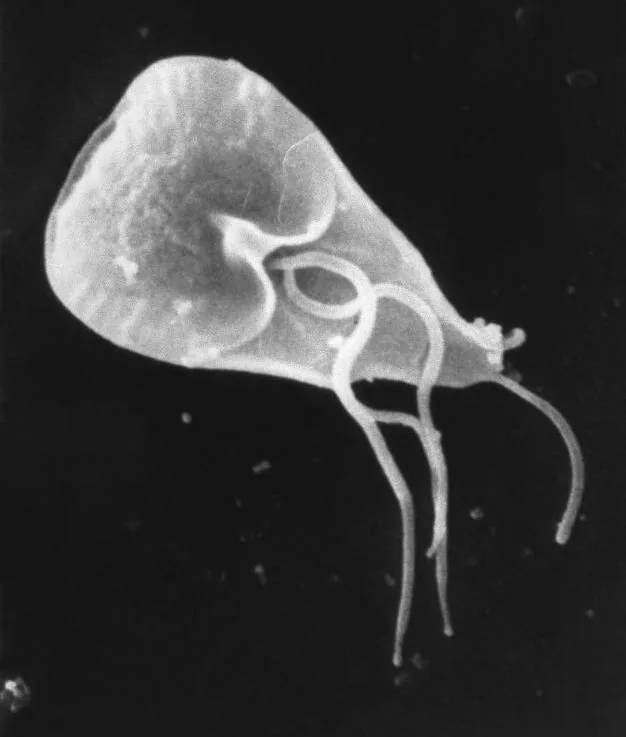

Giardia (intestinal parasite)
What it is: A microscopic parasite spread through contaminated water and food that causes diarrhea.
Tests that commonly detect it: Stool antigen tests, ova and parasite exam, molecular GI panels.
High-risk organisms: clinical labs do not work these up themselves. When a culture or result suggests a high-risk or unusual organism, labs follow their written referral procedure, stop further work and refer the specimen or isolate to their state public health laboratory, which is part of the Laboratory Response Network. The same applies to tuberculosis in most clinic and community hospital settings. Your referral, reporting and biosafety policies should name the public health lab, the contact steps and who decides; we help write those policies, and the CDC/NIH BMBL is the reference for biosafety risk assessment.
Planning a microbiology menu?
Book a free consultation. We will review your test menu, complexity and send-out plan and tell you what CLIA and your accreditor will expect.
Book a free consultationCulture plates and stains: a gallery
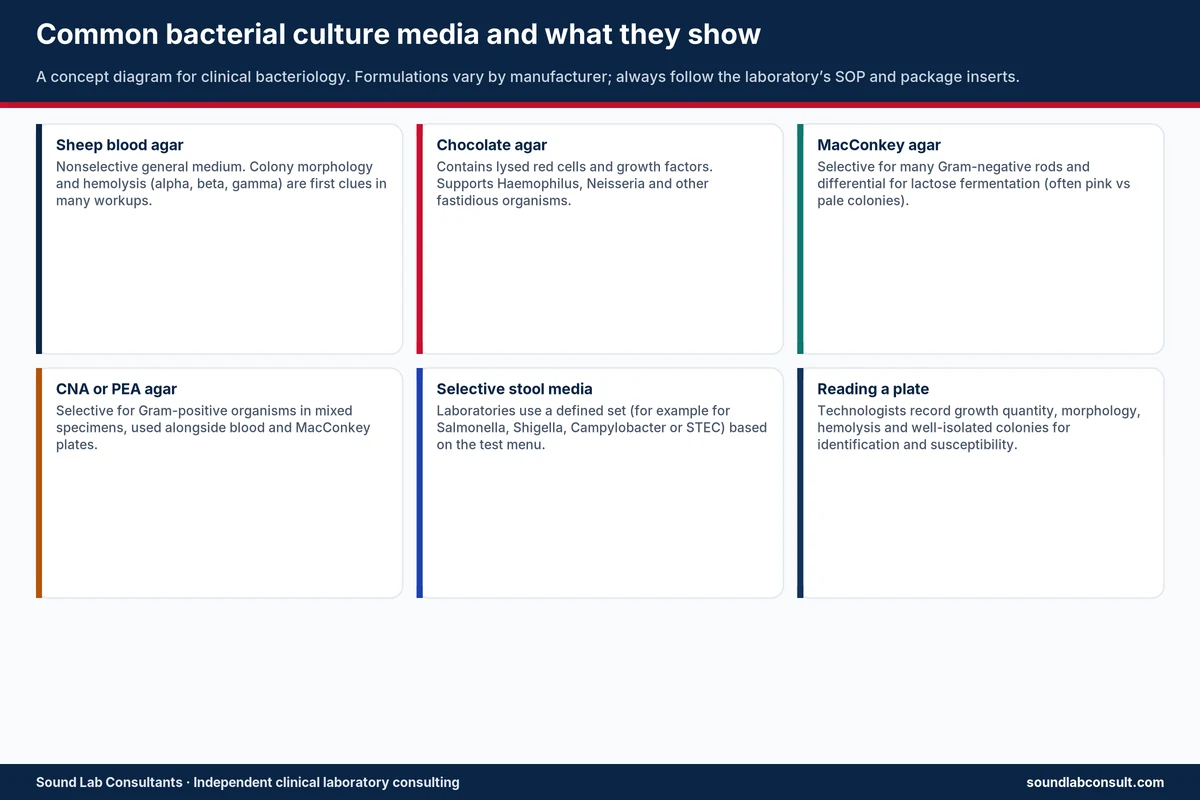
Culture media are the starting point of most bacteriology and mycology work. For compliance, what matters is that each type of media is on your procedure list, received and stored correctly, checked under your QC plan or IQCP, and tracked by lot. Here are the media and stains surveyors most often see.
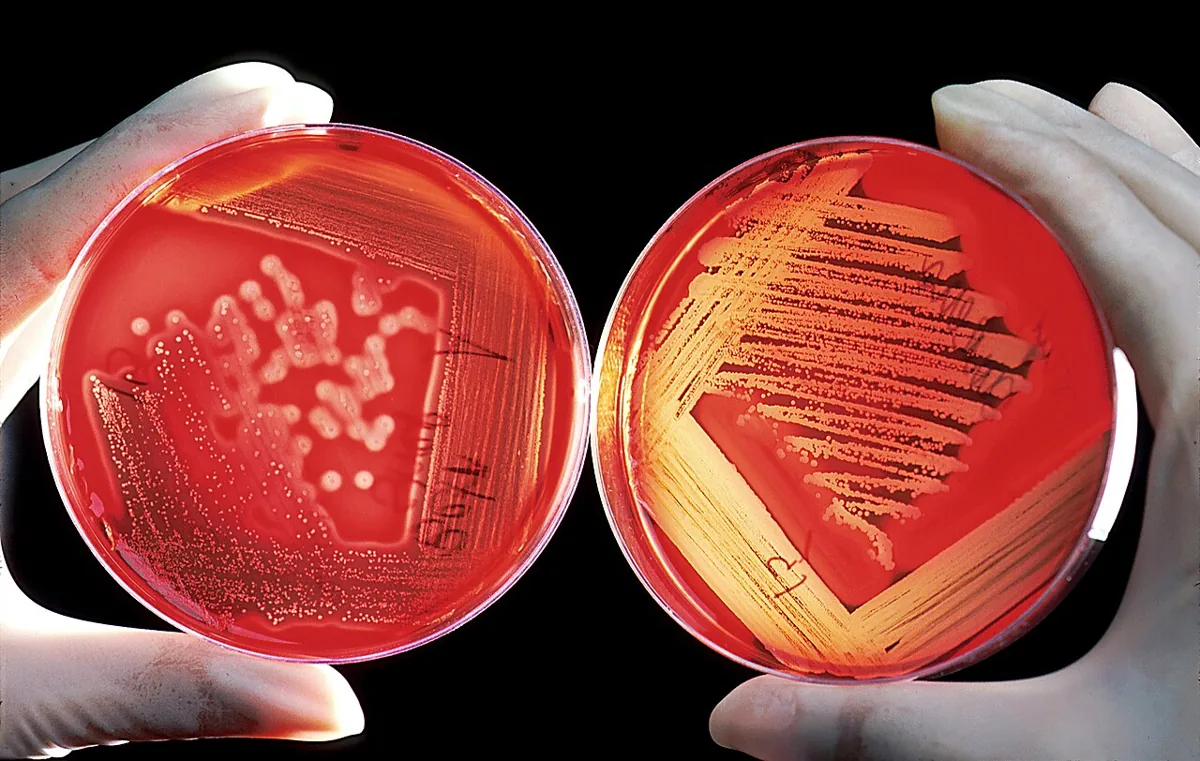

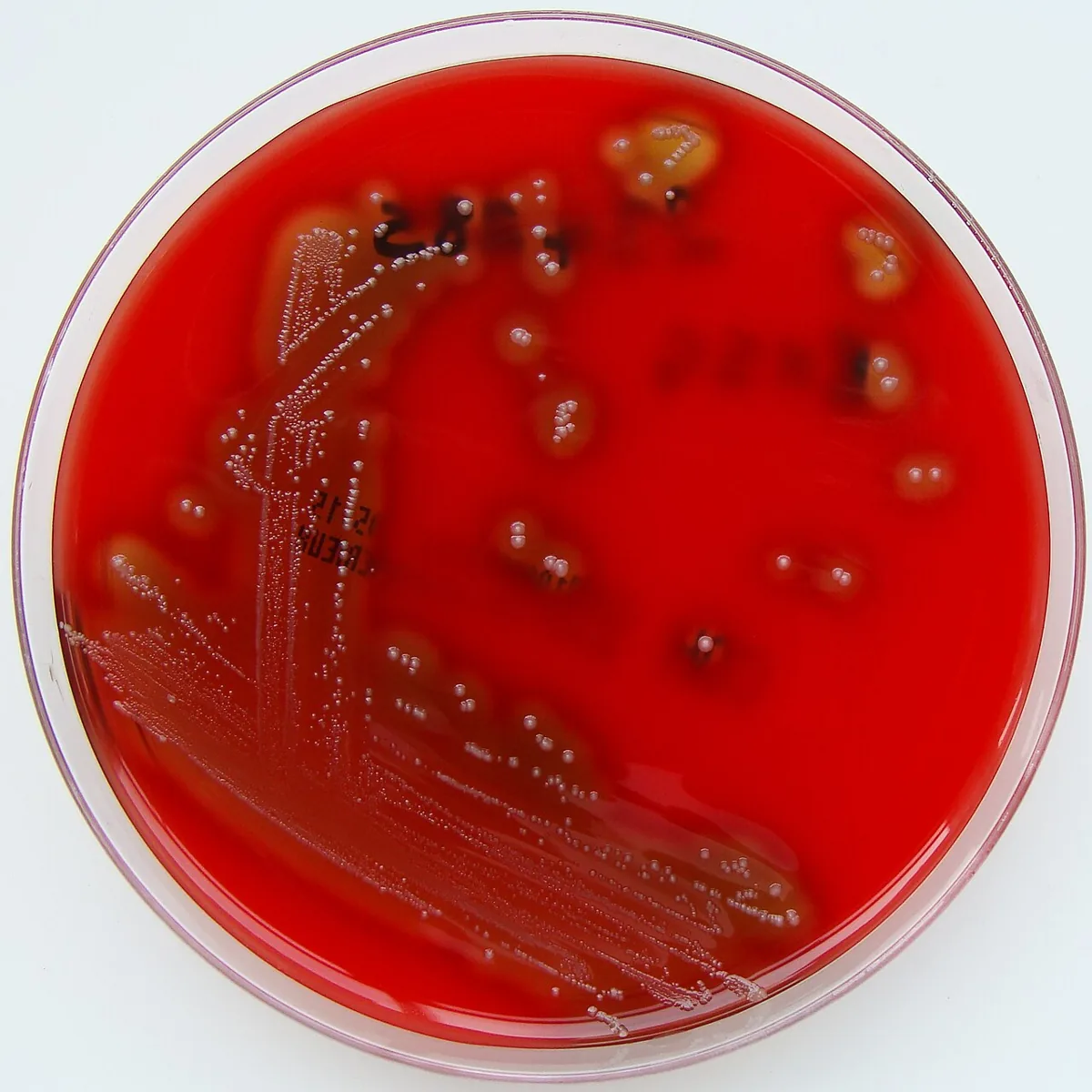

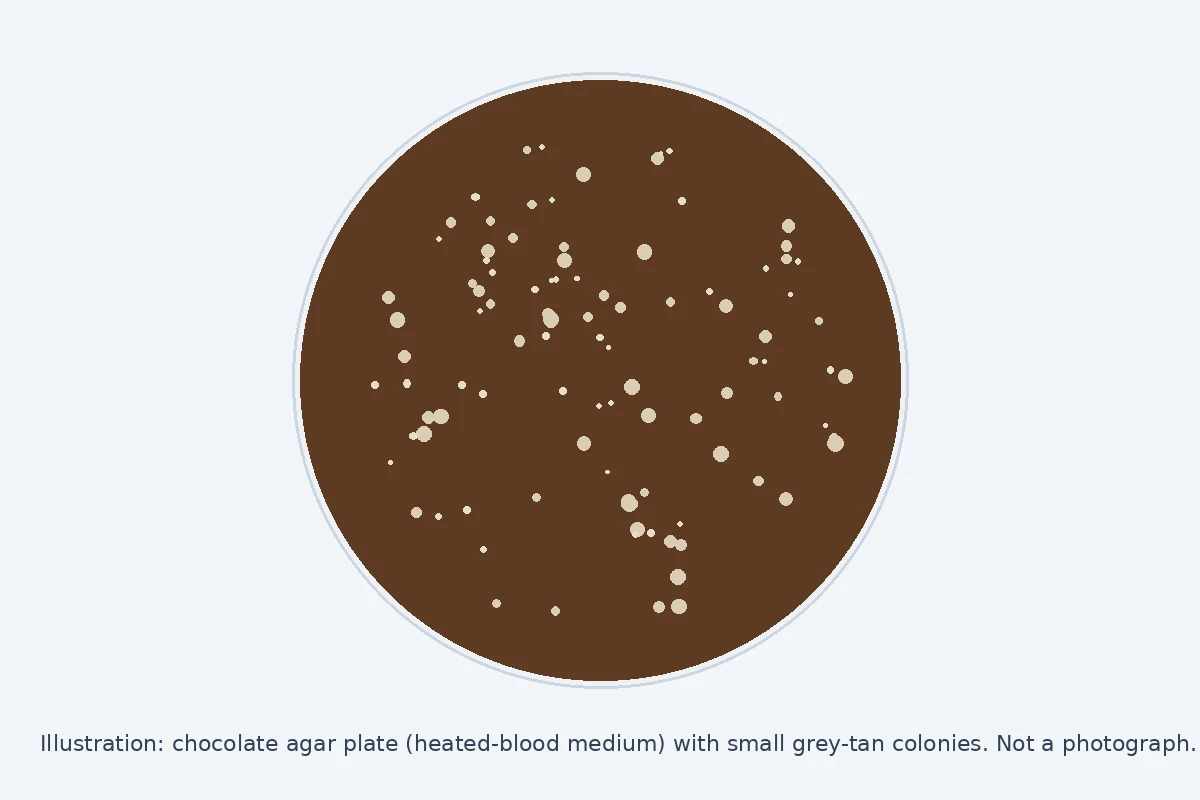
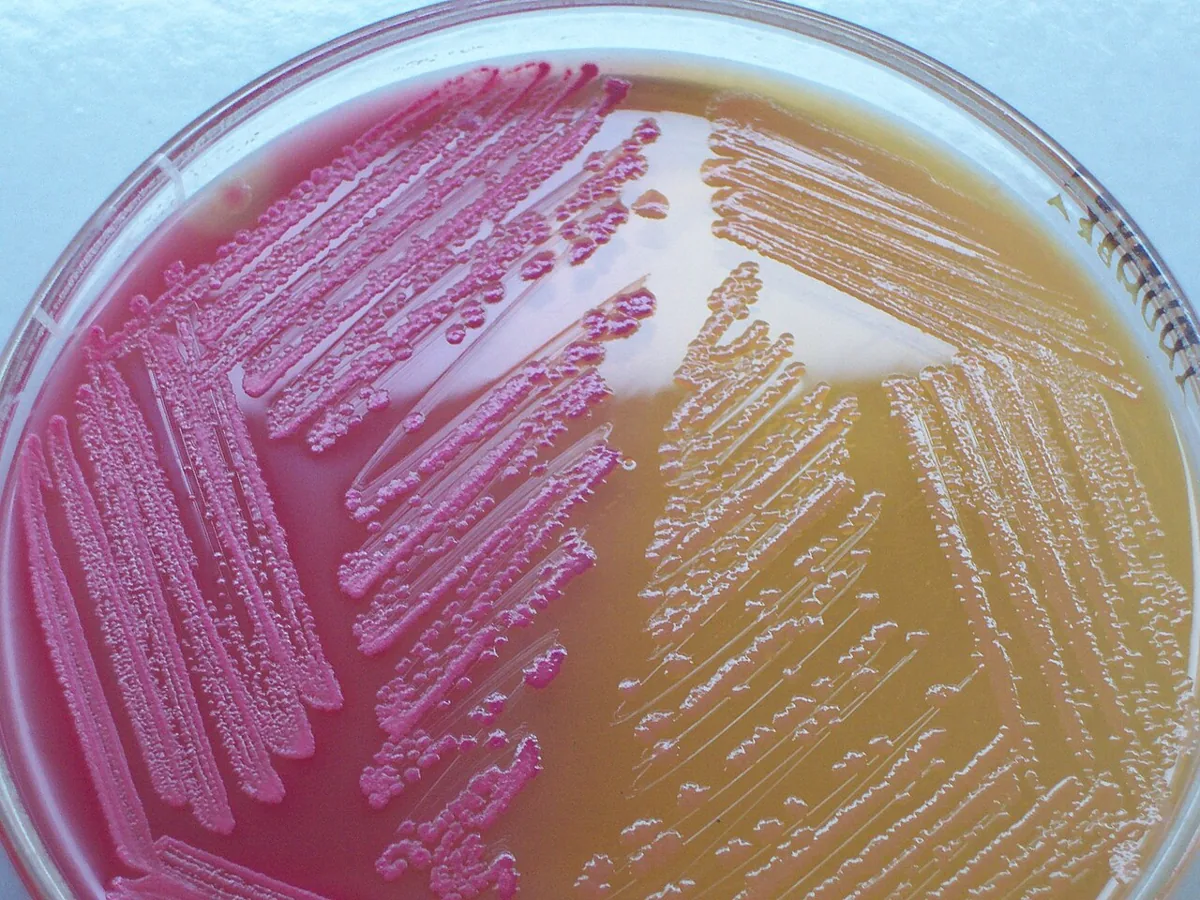

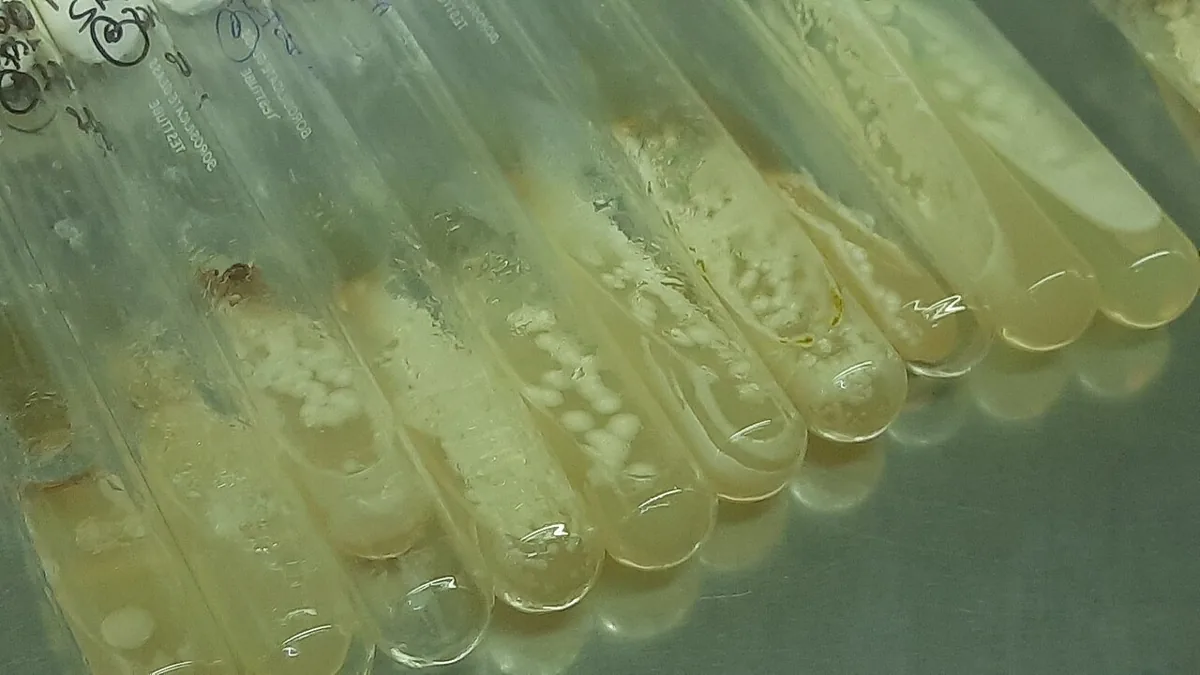

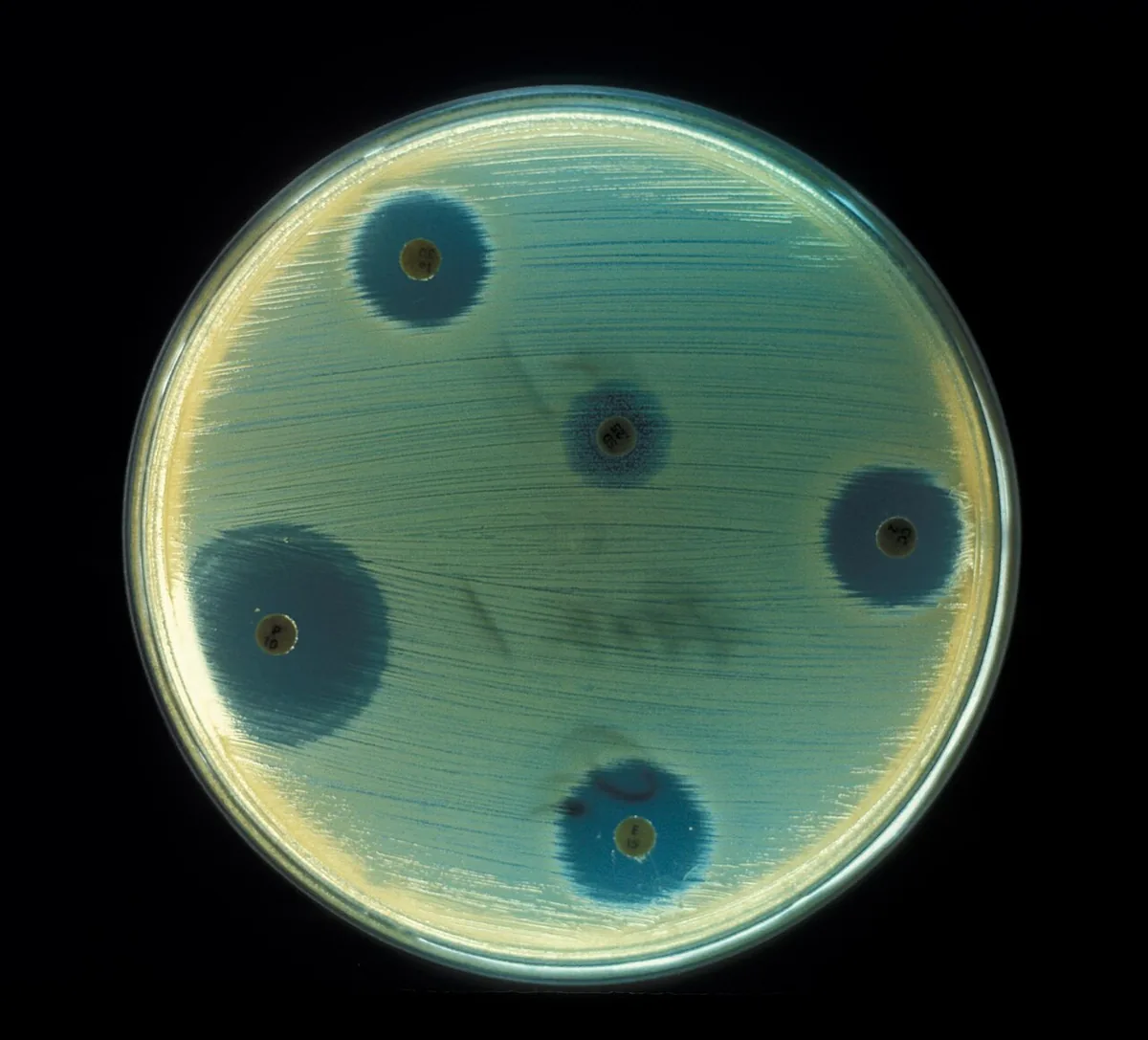

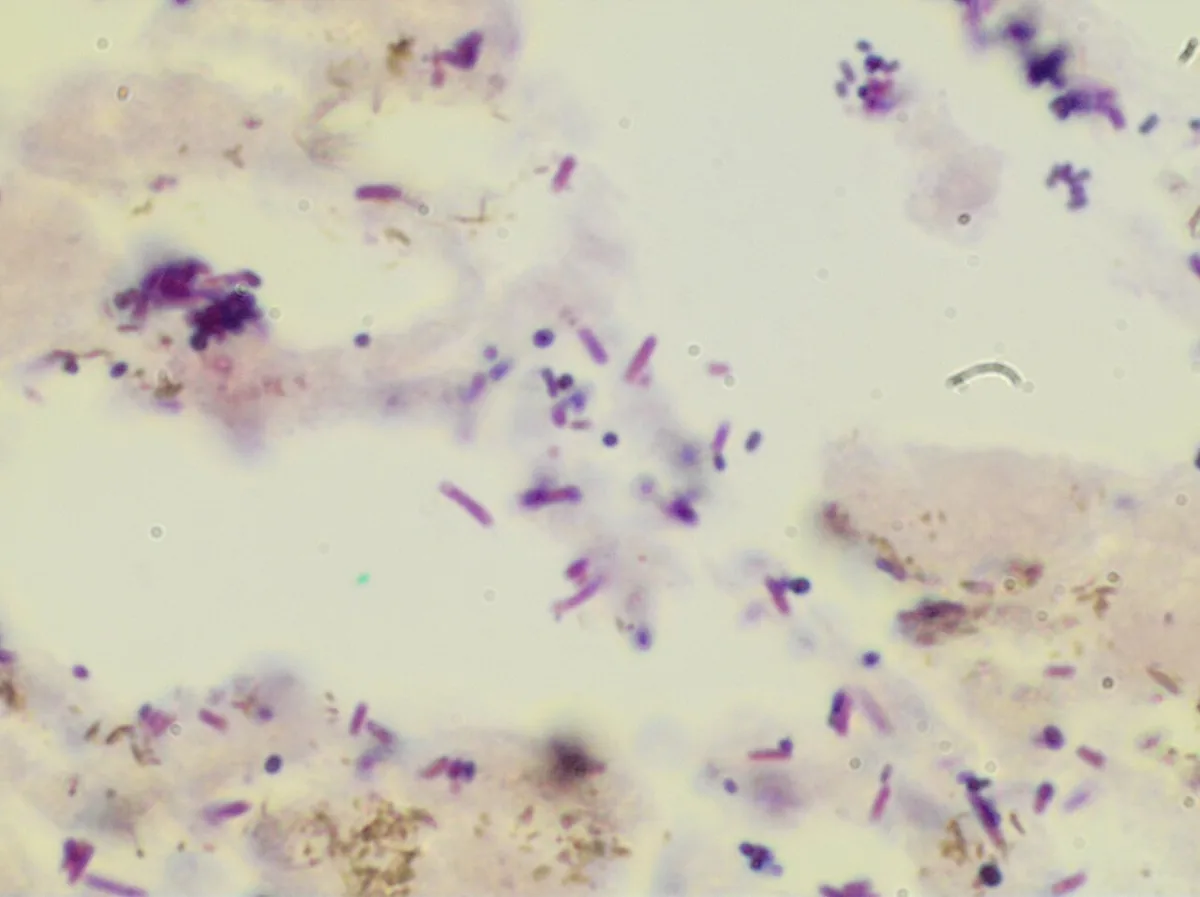

Commercially prepared media that meet the manufacturer's and accreditor's criteria may qualify for reduced in-house checks, but you still need records of receipt, storage, lot, expiration and any visible defects. Media QC records are one of the most common microbiology findings on surveys.
How SLC helps set up a microbiology lab
Our setup work covers the compliance side of opening or expanding a microbiology section. We do not supply wet-lab protocols; testing methods come from the manufacturer's instructions and your director-approved procedures. Here is what we cover:
1. Test menu and complexity planning
We list each test you want to offer, check its FDA categorization, estimate volumes and decide what stays in-house and what goes to a reference lab. Low-volume cultures, mycobacteriology and specialized virology are often better as send-outs. See send-out vs in-house analysis.
2. CLIA certificate and state license
We prepare the CMS-116 CLIA application with the correct subspecialties, choose between a certificate of compliance and a certificate of accreditation, and handle the state laboratory license where your state requires one. Adding microbiology to an existing certificate is a CLIA certificate change that must be reported.
3. General space planning
We review the space for basic workflow and compliance: separate specimen receiving, clean and dirty areas, a one-way path for molecular work, a certified biological safety cabinet where your risk assessment calls for one, room for incubators and refrigerators with temperature monitoring, handwashing and eyewash stations, and waste handling. Detailed engineering and anything beyond routine clinical biosafety stays with your architect, facilities team and safety officer.
4. Equipment selection support
We help you compare categories, not brands: automated or manual identification, AST systems, blood culture systems, molecular platforms, incubators, safety cabinets and temperature monitoring. We check each option against your test menu, volume, staffing, LIS interface and the FDA status of the assays you plan to run. SLC is independent and does not sell equipment.
5. Method verification (493.1253)
Before reporting patient results, each unmodified FDA-cleared test needs verification of accuracy, precision, reportable range and reference intervals. Modified tests and lab-developed tests need full validation, including analytical sensitivity and specificity. For microbiology we write the verification plan, define acceptance criteria, review the data and prepare the summary your director signs. See instrument validation and verification.
6. CLSI and FDA breakpoint updates
Susceptibility results are interpreted with breakpoints that change. CLSI M100 is updated each year, and FDA lists the breakpoints it recognizes on its STIC page. We build a breakpoint log that shows which version each drug and organism uses, whether your AST system is cleared for it, the verification done when breakpoints change, and when your antibiogram and reports were updated. Accreditors expect a documented plan for adopting current breakpoints.
7. Personnel qualifications
High-complexity microbiology needs a qualified laboratory director, a technical supervisor qualified in microbiology (493.1449), a clinical consultant, a general supervisor and qualified testing personnel. Moderate-complexity tests need a technical consultant. We review diplomas, transcripts, licenses and experience, build the personnel files and write job descriptions and delegation records. See CLIA testing personnel.
8. SOPs, QC plans, PT, LIS and accreditation
- Procedure manual (493.1251): director-approved SOPs for each test, plus specimen collection, acceptance and rejection, referral and reporting policies.
- QC plans and IQCP: subspecialty QC, media QC, temperature and equipment checks, and IQCP risk assessments where you choose them.
- Proficiency testing: enrollment with a CMS-approved PT program for every regulated subspecialty and analyte, and a twice-yearly accuracy check for tests that are not regulated. See proficiency testing requirements.
- LIS: test build, organism and drug dictionaries, susceptibility interpretation rules, suppression rules, critical value flags and interface verification. See LIS verification.
- Accreditation: choosing between CAP, COLA and The Joint Commission, or a state survey under a certificate of compliance, and preparing for the first survey. See CAP and COLA accreditation consulting.
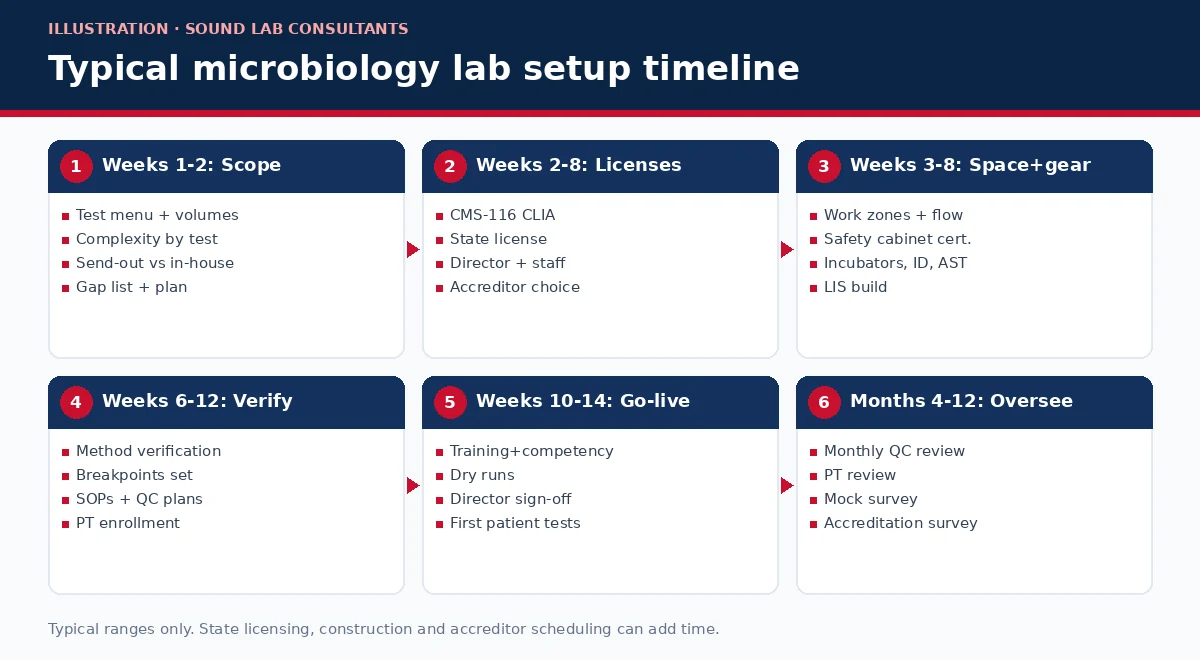
Microbiology lab setup timeline
Every project is different. This is a typical range for a hospital or large clinic adding routine bacteriology and molecular respiratory testing. State licensing, construction and accreditor scheduling can add time.
| Phase | Typical timing | Key outputs |
|---|---|---|
| Scope | Weeks 1-2 | Test menu with complexity, send-out list, volume estimate, gap list and project plan |
| Licenses and people | Weeks 2-8 | CMS-116 filed or amended, state license application, director and supervisor named, accreditor chosen |
| Space, equipment and LIS | Weeks 3-8 | Space review, equipment category decisions, safety cabinet certification, LIS build started |
| Verification and documents | Weeks 6-12 | Verification plans and summaries, breakpoint log, SOPs, QC plans or IQCP, PT enrollment |
| Go-live | Weeks 10-14 | Training records, initial competency, dry runs, director sign-off, first patient results |
| Oversight | Months 4-12 and ongoing | Monthly QC and PT review, six-month competency, mock survey, first accreditation or state survey |
Need help planning yours? Our new lab setup program and the how to start a clinical laboratory guide cover the rest of the lab.
Opening or expanding a microbiology lab?
Book a free consultation to map your licenses, verification, QC and staffing plan.
Book a free consultationFull ongoing oversight of microbiology labs
After go-live, most microbiology deficiencies come from records that slip over time. SLC provides ongoing oversight remotely, with on-site visits as scheduled. Here is what full oversight includes:
Monthly QC and media QC review
We review subspecialty QC, media QC, AST control organism results, temperature logs and corrective action each month, confirm that out-of-range results were handled before patient reporting, and confirm the director or supervisor review is signed and dated.
Competency assessment (six elements)
Each person is assessed on each test system twice in the first year and yearly after that, using the six required elements (493.1451(b)(8)): direct observation of routine testing; monitoring of recording and reporting; review of worksheets, QC, PT and maintenance records; direct observation of maintenance and function checks; testing of previously analyzed or blind samples; and problem-solving. We build the forms and check that the assessor is qualified. See the six elements of competency assessment and the CMS competency brochure.
PT review and corrective action
Microbiology PT runs three events a year, and an event score below 80 percent is unsatisfactory (493.823 to 493.831). We review every graded event, investigate each missed challenge, document corrective action and track trends before a second failure becomes unsuccessful participation. See proficiency testing and QC consulting.
Turnaround time and critical value tracking
We set up monthly tracking for Gram stain and positive blood culture call times, critical value notification and read-back, and report turnaround, and we bring the data to your quality meeting.
Antibiogram support
We help compile the yearly cumulative antibiogram using the approach in CLSI M39 (first isolate per patient, minimum isolate counts) and coordinate with your antimicrobial stewardship team so the data match current breakpoints.
Notifiable disease reporting
We map which results your state requires you to report, to whom and how fast, build the reporting log and check that electronic reporting is working. Reportable condition lists are set by each state, and the CDC NNDSS describes the national system.
Equipment maintenance and function checks
We audit maintenance and function-check records for incubators, safety cabinets, AST and identification systems, blood culture systems, molecular platforms, refrigerators and pipettes, and confirm that annual safety cabinet certification is current.
Mock surveys
Before each survey we run a mock inspection against CLIA and your accreditor's microbiology checklist, then help you close the findings. If a real survey already found problems, see plans of correction.
Technical consultant, supervisor and director options
Where you need a qualified person on paper and in practice, SLC can arrange a technical consultant for moderate-complexity testing, technical supervisor coverage for high-complexity microbiology, or laboratory director services, subject to state rules. Those roles come with real duties: reviewing QC and PT, signing procedures, assessing competency and being reachable.
Common microbiology survey deficiencies
| Finding | Rule involved | How we prevent it |
|---|---|---|
| Gram stain or antisera QC frequency missed or not documented | 493.1261(a) | QC calendar, logs with reviewer sign-off, monthly review |
| Media QC or receipt records missing for in-house or commercial lots | 493.1256, 493.1261 | Media log by lot, IQCP where appropriate |
| AST control results out of range but patient results reported | 493.1261(b) | Hold rules in LIS, corrective action form, review |
| Outdated breakpoints with no adoption plan | 493.1253, accreditor checklist | Breakpoint log and change verification |
| Test not verified before patient reporting | 493.1253 | Verification plan and signed summary for every test |
| PT not enrolled for every subspecialty on the certificate | 493.821 | PT map that matches the CMS-116 and test menu |
| Competency missing an element or done by an unqualified assessor | 493.1451 | Six-element forms, assessor list |
| Parasitology reference collection missing | 493.1264 | Reference atlas on file and in use |
| Expired reagents or no open dates | 493.1252 | Reagent log and monthly walk-through |
| Specimen rejection and referral criteria not written | 493.1242 | Acceptance, rejection and referral policies |
| Records not kept long enough | 493.1105 | Retention schedule (at least two years for most records) |
Comparing results across methods or sites twice a year (493.1281), required report elements (493.1291) and corrective action records (493.1282) also come up often in microbiology.
Got a microbiology deficiency?
Book a free consultation. We will review the finding and help you build the plan of correction and the evidence to close it.
Book a free consultationConsultant vs in-house responsibilities
| Task | Your lab (director and staff) | Sound Lab Consultants |
|---|---|---|
| Patient testing and results | Performs, reviews and reports | Does not perform testing |
| Medical decisions and result interpretation | Laboratory director and clinicians | None |
| Test menu and complexity plan | Approves | Drafts and checks categorization |
| CLIA, state license and accreditation filings | Signs | Prepares and tracks |
| Method verification | Runs the samples; director approves | Writes the plan, reviews the data, drafts the summary |
| SOPs and QC plans or IQCP | Approves and follows | Writes and updates |
| Daily QC and maintenance | Performs and documents | Reviews monthly |
| Competency assessment | Qualified assessor performs | Builds forms, schedules, audits |
| PT | Tests like patient samples | Reviews results, leads corrective action |
| Reporting to public health | Reports | Maps requirements, audits the log |
| Surveys | Hosts the surveyor | Mock survey, document prep, plan of correction |
Why labs use Sound Lab Consultants for microbiology
- Compliance-first: every recommendation is tied to a CLIA section or an accreditor requirement you can check yourself.
- Setup and oversight under one firm: the people who build your QC plans also review them every month.
- Independent: we do not sell instruments, reagents or PT, so equipment advice is about fit, not commission.
- Nationwide: remote oversight with on-site visits as scheduled, plus state license help in every state.
- Connected to the rest of the lab: molecular diagnostics, respiratory PCR panels, STI PCR testing and infectious disease molecular testing.
Get your microbiology lab set up and covered
Book a free consultation. We will review your menu, licenses, QC, PT and staffing and lay out a setup and oversight plan.
Book a free consultationFrequently asked questions
What does a microbiology laboratory consultant do?
A microbiology laboratory consultant helps a lab meet CLIA and accreditation rules for bacteriology, mycobacteriology, mycology, parasitology and virology. That includes test menu planning, CLIA and state licensing, method verification, QC plans, proficiency testing, personnel files, SOPs and survey preparation, plus ongoing oversight. The laboratory director keeps responsibility for testing and medical decisions.
What are the CLIA microbiology subspecialties?
Bacteriology, mycobacteriology, mycology, parasitology and virology. Each has a condition in 42 CFR 493.1201 to 493.1205, a quality control standard in 493.1261 to 493.1265 and a proficiency testing standard in 493.823 to 493.831.
Is microbiology testing high complexity?
It depends on the test system. FDA categorizes each test. Many rapid strep, flu, RSV and COVID-19 tests are waived, some molecular tests are moderate complexity, and culture with identification and susceptibility testing is usually high complexity. Check each test in the FDA CLIA database.
How often must Gram stains be QC'd?
42 CFR 493.1261(a)(2) requires checking Gram stains with positive and negative control organisms each week of use, unless an approved IQCP covers it. Your accreditor or manufacturer may require more.
What does method verification require for a microbiology test?
For an unmodified FDA-cleared test, 42 CFR 493.1253 requires verifying accuracy, precision, reportable range and reference intervals before reporting patient results. Modified or lab-developed tests need full validation, including analytical sensitivity and specificity.
How often do CLSI breakpoints change?
CLSI publishes an updated M100 each year, and FDA updates the breakpoints it recognizes on its STIC page. Labs should keep a breakpoint log, verify changes on their AST system and update reports and the antibiogram.
What personnel does a high-complexity microbiology lab need?
A qualified laboratory director, a technical supervisor qualified in microbiology, a clinical consultant, a general supervisor and qualified testing personnel, all with documented qualifications and competency.
How is competency assessed in microbiology?
Using the six CLIA elements for each test system: direct observation, monitoring of recording and reporting, review of records, direct observation of maintenance, testing of previously analyzed or blind samples, and problem-solving. It is done twice in the first year and yearly after that.
What is a passing PT score in microbiology?
Each microbiology subspecialty needs an overall event score of at least 80 percent. Missing two consecutive events, or two of three, is unsuccessful participation and can lead to sanctions.
Can IQCP replace daily microbiology QC?
IQCP is the CMS-approved alternative referenced in 42 CFR 493.1256(d). It needs a documented risk assessment, quality control plan and quality assessment for each test system and does not replace subspecialty rules it does not cover.
What happens when a lab suspects a high-risk organism?
Clinical labs stop further work, follow their written referral procedure and refer the specimen or isolate to their state public health laboratory. Your policies should name the lab and the contact steps.
Should we send out microbiology or bring it in-house?
It depends on volume, turnaround needs, staffing and reimbursement. Many labs keep rapid and molecular tests in-house and send out low-volume cultures, mycobacteriology and specialized virology. We run that analysis as part of setup.
Do we need CAP accreditation for microbiology?
No. CLIA allows a certificate of compliance (state survey) or a certificate of accreditation through an approved organization such as CAP, COLA or The Joint Commission. Hospitals often choose based on their existing accreditation.
How long does it take to set up a microbiology lab?
A typical range is about 10 to 14 weeks to first patient results for a hospital or large clinic adding routine bacteriology and molecular respiratory testing. State licensing, construction and accreditor schedules can add time.
Does Sound Lab Consultants work outside Arizona?
Yes. SLC is based at 25 Arizona Pl, Chandler, AZ 85225 and works with laboratories nationwide, remotely and on site as scheduled.
Sources and image credits
- CLIA regulations, 42 CFR Part 493 (eCFR)
- Bacteriology QC standard, 42 CFR 493.1261 (eCFR)
- Establishment and verification of performance specifications, 42 CFR 493.1253 (eCFR)
- Control procedures, 42 CFR 493.1256 (eCFR)
- Proficiency testing for microbiology, 42 CFR 493.821 (eCFR)
- Technical supervisor responsibilities, 42 CFR 493.1451 (eCFR)
- CMS, Clinical Laboratory Improvement Amendments (CLIA)
- CMS, What do I need to do to assess personnel competency? (brochure)
- CMS, IQCP workbook
- FDA, CLIA test categorization database
- FDA, Recognized antimicrobial susceptibility test interpretive criteria (STIC)
- CLSI, M100 Performance Standards for Antimicrobial Susceptibility Testing
- CDC/NIH, Biosafety in Microbiological and Biomedical Laboratories (BMBL)
- CDC, National Notifiable Diseases Surveillance System (NNDSS)
- American Society for Microbiology (ASM), Guidelines
- CDC Public Health Image Library (image source)
Image credits
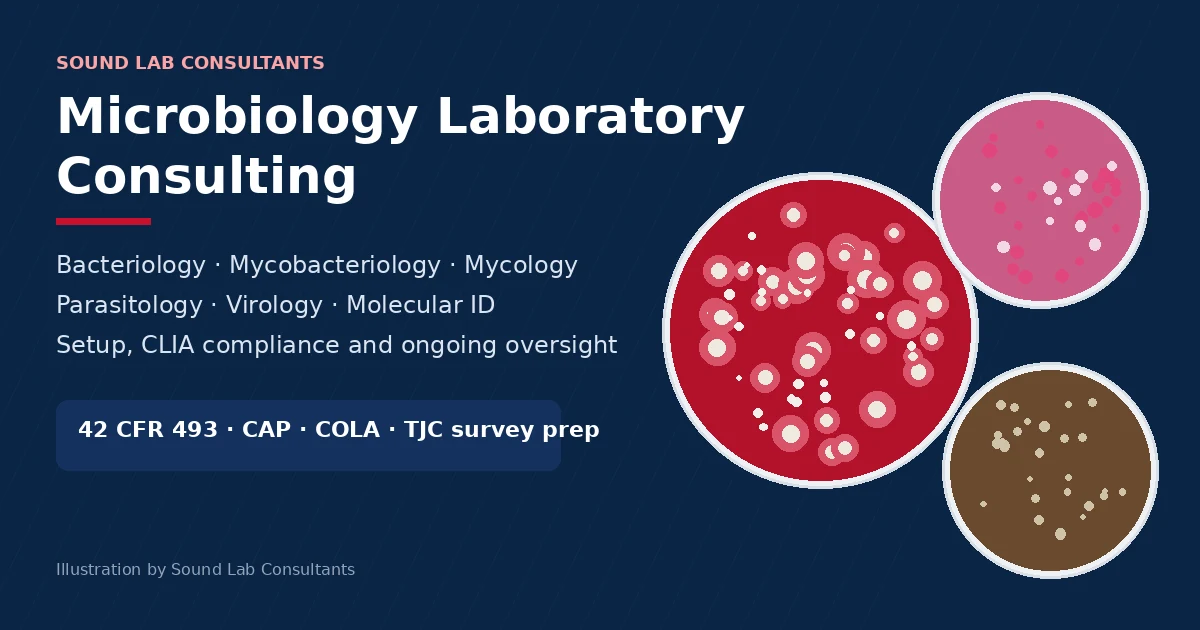
- Microbiology laboratory consulting: bacteriology, mycobacteriology, mycology, parasitology and virology: Illustration: Sound Lab Consultants.
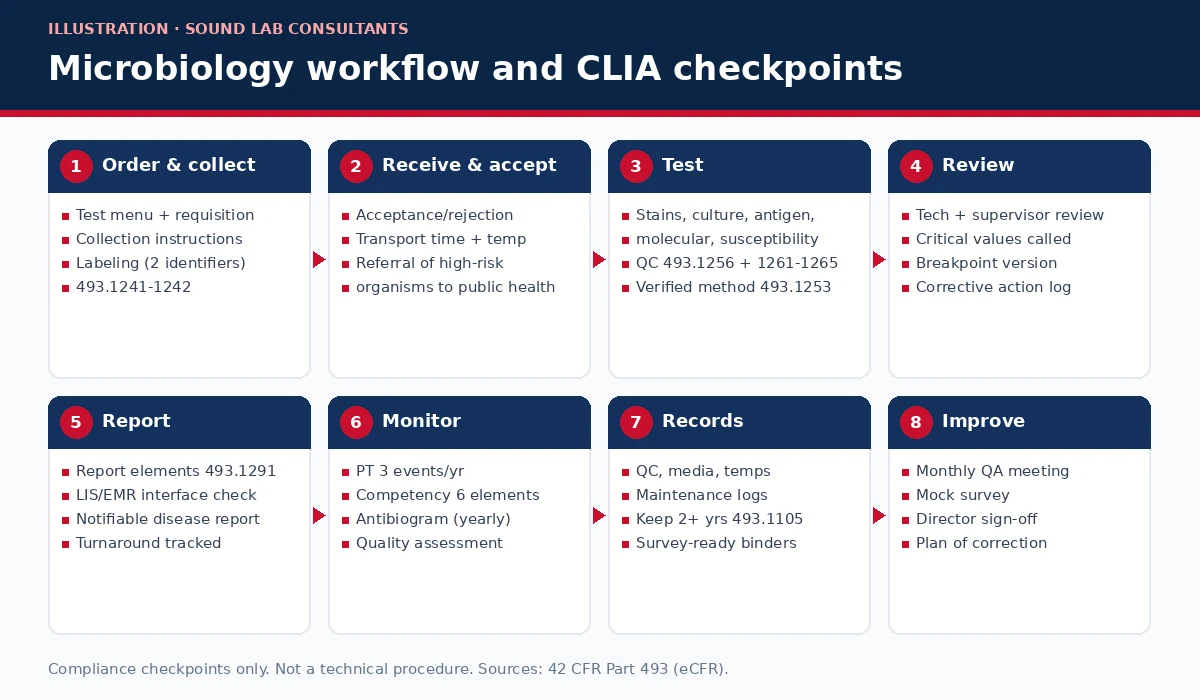
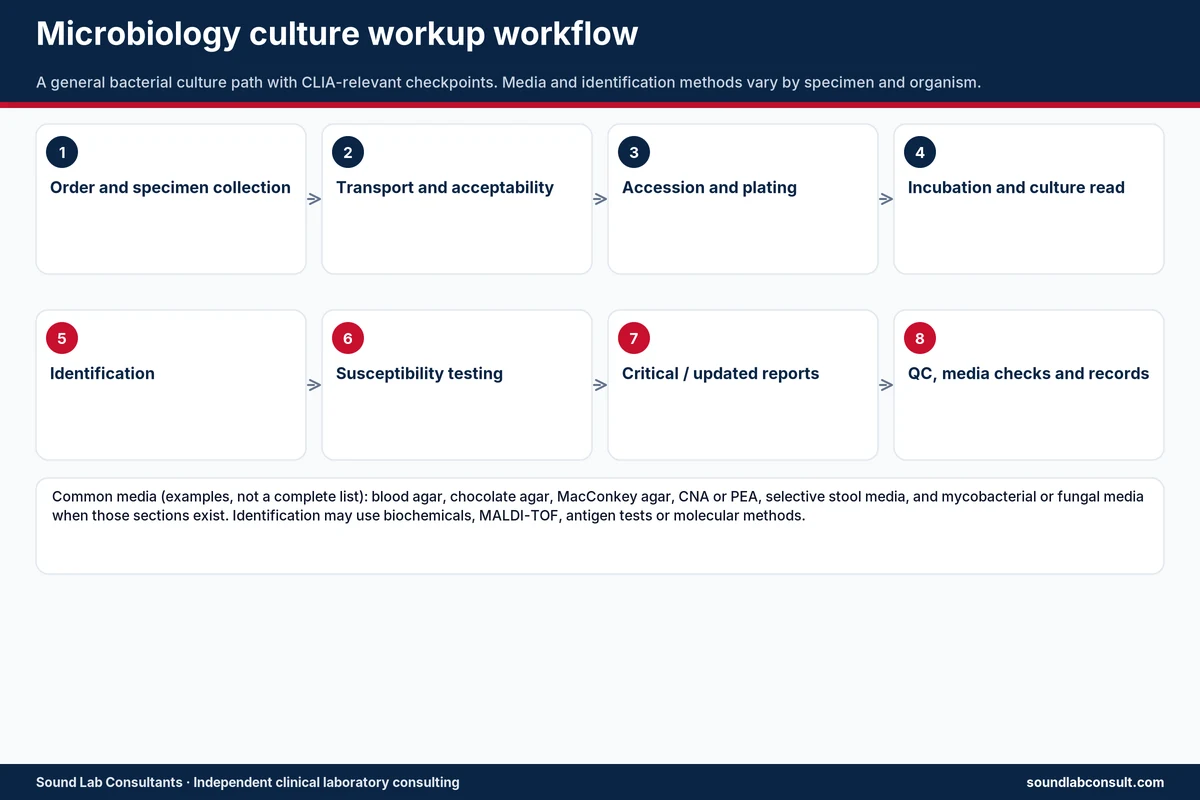
- Illustration: the microbiology workflow and the CLIA checkpoints we review at each step: Illustration: Sound Lab Consultants.
- Staphylococcus aureus bacteria (scanning electron micrograph): Image: Janice Carr, CDC Public Health Image Library, via Wikimedia Commons, Public domain.
- Streptococcus pyogenes (group A strep) in chains, stained smear: Image: CDC Public Health Image Library, via Wikimedia Commons, Public domain.
- Escherichia coli (E. coli), rod-shaped bacteria (scanning electron micrograph): Image: NIAID, via Wikimedia Commons, Public domain.
- Candida albicans yeast cells on a Gram-stained smear: Image: Ajay Kumar Chaurasiya, via Wikimedia Commons, CC0 1.0.
- Influenza virus particle (colorized transmission electron micrograph): Image: Cynthia Goldsmith, CDC Public Health Image Library, via Wikimedia Commons, Public domain.
- Respiratory syncytial virus (RSV), electron micrograph: Image: Dr. Erskine Palmer, CDC Public Health Image Library, via Wikimedia Commons, Public domain.
- SARS-CoV-2, the virus that causes COVID-19 (CDC illustration): Image: Alissa Eckert, MSMI and Dan Higgins, MAMS, CDC Public Health Image Library, via Wikimedia Commons, Public domain.
- Giardia, an intestinal parasite (scanning electron micrograph): Image: Mahmud Tari, CDC Public Health Image Library, via Wikimedia Commons, Public domain.
- Blood agar plates: the red, all-purpose medium most bacterial cultures start on: Image: Bill Branson, National Cancer Institute, via Wikimedia Commons, Public domain.
- Beta hemolysis on blood agar: clear zones around colonies, a pattern typical of group A strep: Image: Nathan Reading, via Wikimedia Commons, CC BY 2.0.
- Illustration: chocolate agar, a heated-blood medium for fastidious bacteria: Illustration: Sound Lab Consultants.
- MacConkey agar: pink colonies ferment lactose, pale colonies do not: Image: Medimicro, via Wikimedia Commons, Public domain.
- Sabouraud dextrose agar with creamy yeast colonies, used for fungi: Image: Ajay Kumar Chaurasiya, via Wikimedia Commons, CC0 1.0.
- Disk diffusion susceptibility plate: clear zones show where an antibiotic stopped growth: Image: Don Stalons, CDC Public Health Image Library, via Wikimedia Commons, Public domain.
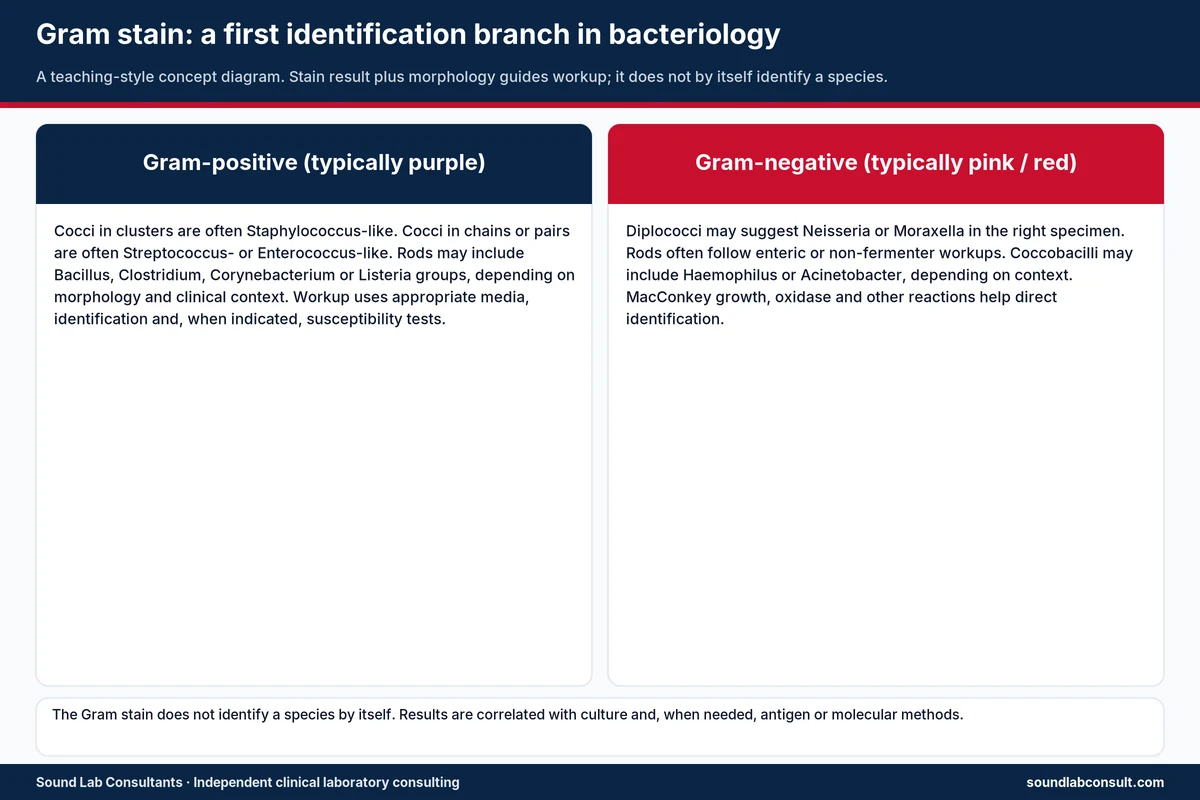
- Gram stain: purple Gram-positive cocci and pink Gram-negative rods: Image: Mikael Häggström, M.D., via Wikimedia Commons, CC0 1.0.
- Illustration: a typical microbiology lab setup timeline. Ranges vary by state and accreditor: Illustration: Sound Lab Consultants.
Related pages
Sound Lab Consultants is an independent laboratory consulting firm. We do not perform patient testing or make medical decisions; those stay with your laboratory director. This page is general information, last reviewed November 25, 2026. We are not affiliated with or endorsed by CMS, FDA, CDC, NIH, CLSI, ASM, CAP, COLA, The Joint Commission, any manufacturer or any state agency, and image credits do not imply endorsement. Sound Lab Consultants, 25 Arizona Pl, Chandler, AZ 85225.
Building the rest of the lab?
Read our lab setup and compliance guide: pre-planning and budgeting, layout and infrastructure, equipment and IT (IQ/OQ/PQ, LIS/LIMS), personnel, CLIA/CAP/COLA certification, SOPs, method validation and go-live, with a free 5-stage checklist (Excel + PDF).
Book a free consultation