
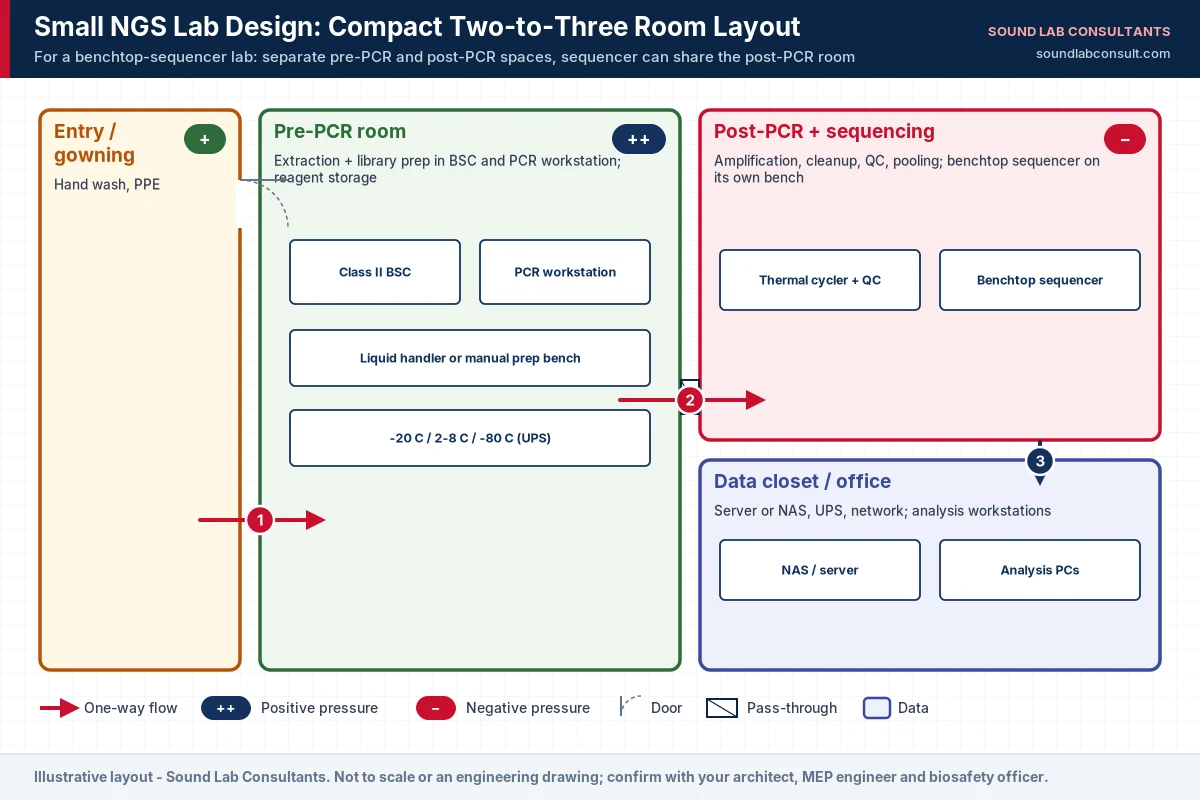
Short answer: A small NGS lab can work in two or three rooms: a positive-pressure pre-PCR room for extraction and library prep, a negative-pressure post-PCR room that also holds the benchtop sequencer, and a data closet or office for storage, a NAS or server and analysis workstations. Separate gowning and one-way transfer through a pass-through keep libraries clean.
Last reviewed November 25, 2026. Primary sources: 42 CFR 493.1101, CLSI MM09, CDC and APHL Next Generation Sequencing Quality Initiative.
A Compact Layout
Rules That Do Not Shrink
- Pre-PCR and post-PCR stay separate; no shared pipettes, coats or magnets.
- Work moves forward only; sealed transfer through a pass-through.
- The sequencer stays out of pre-PCR.
- Freezers on UPS with alarms.
- Data backed up off the instrument.
Planning a new lab or a renovation?
Send us your floor plan or test menu. Sound Lab Consultants reviews layouts against CLIA, accreditation and biosafety expectations before you build.
Book a free consultationSpace-Saving Ideas
- Use an enclosed PCR workstation for reagent setup inside the pre-PCR room.
- Choose automation only if volume justifies the bench length.
- Put storage and data outside the wet lab.
- Use mobile benches in the post-PCR room for QC instruments.
Room-by-Room Equipment Guide
Plan equipment, power and bench space room by room. Each card opens a render, a numbered layout and a placement table.
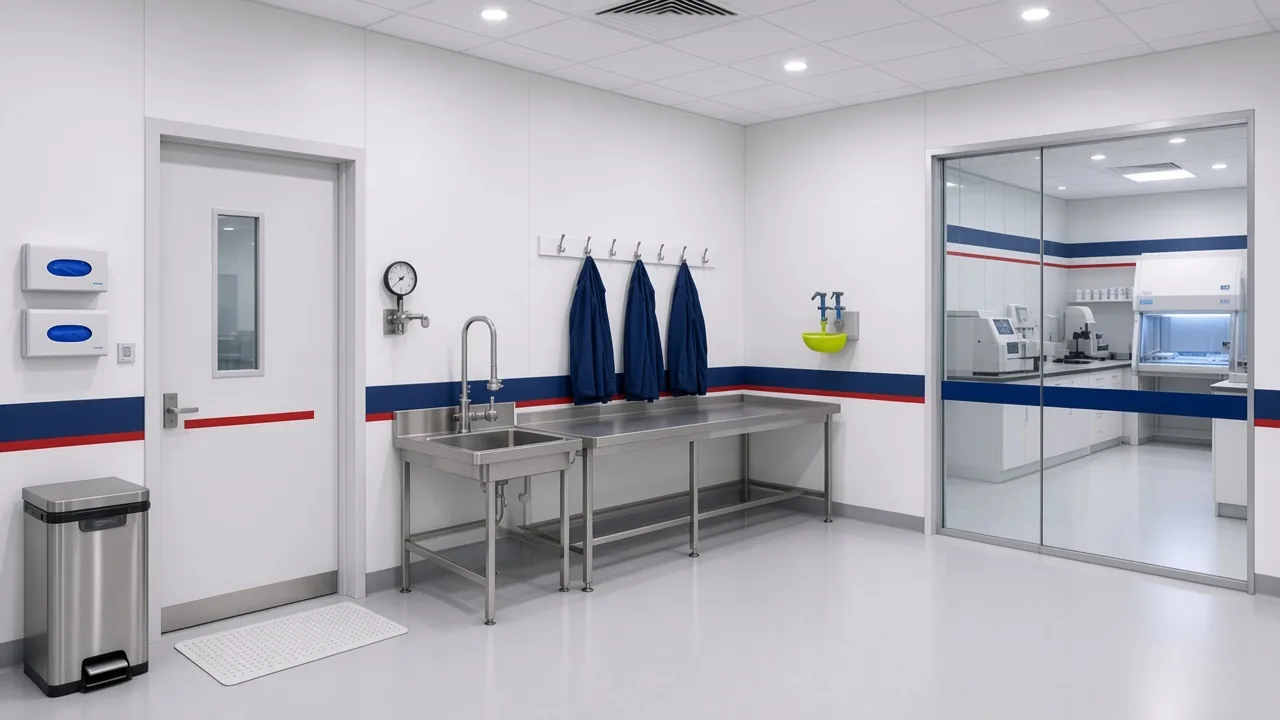 Gowning AnteroomEntry to clean rooms: 9 items with placement
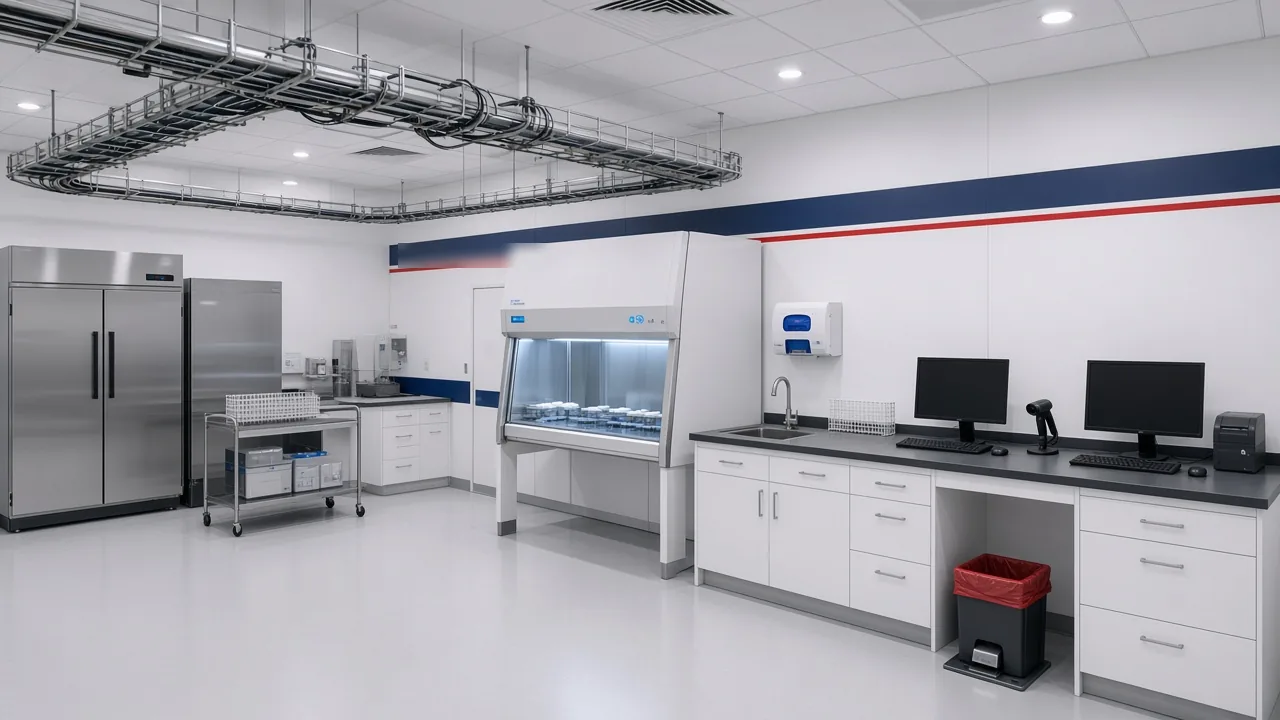 Sample Receipt and AccessioningPre-amplification entry (specimens only): 10 items with placement
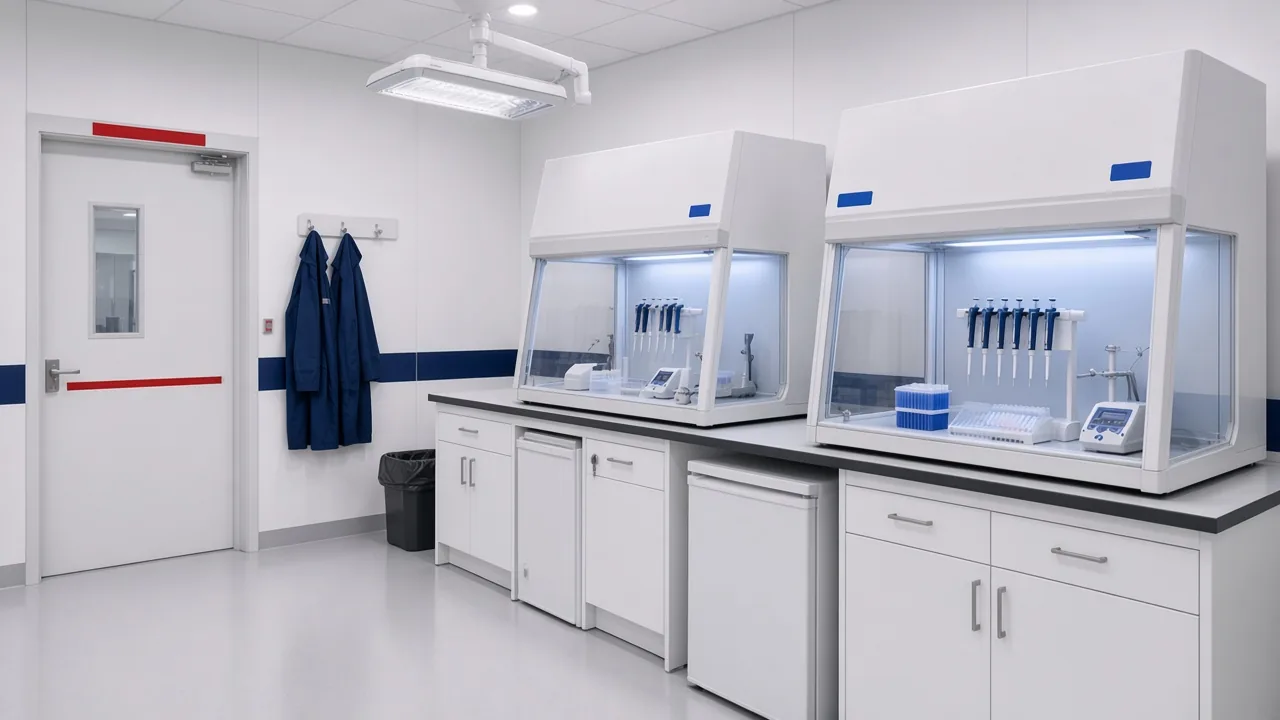 Reagent Preparation Clean RoomPre-amplification (cleanest room): 11 items with placement
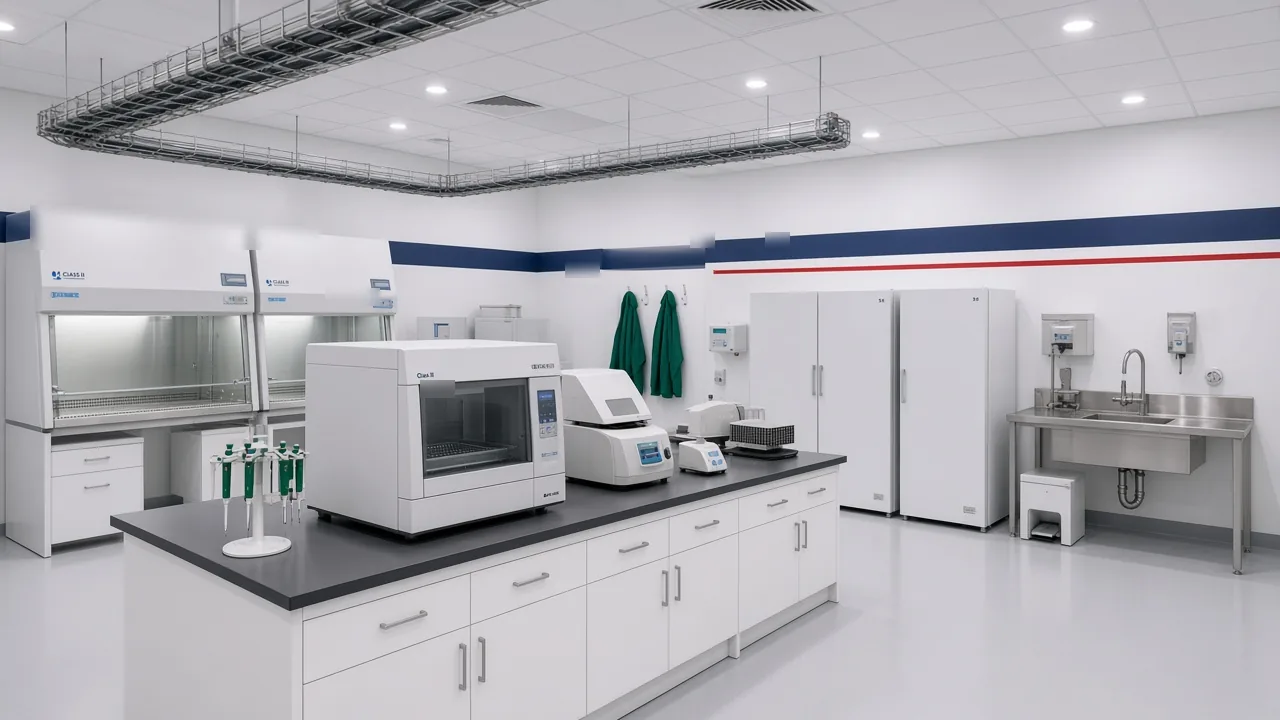 Nucleic Acid Extraction RoomPre-amplification: 12 items with placement
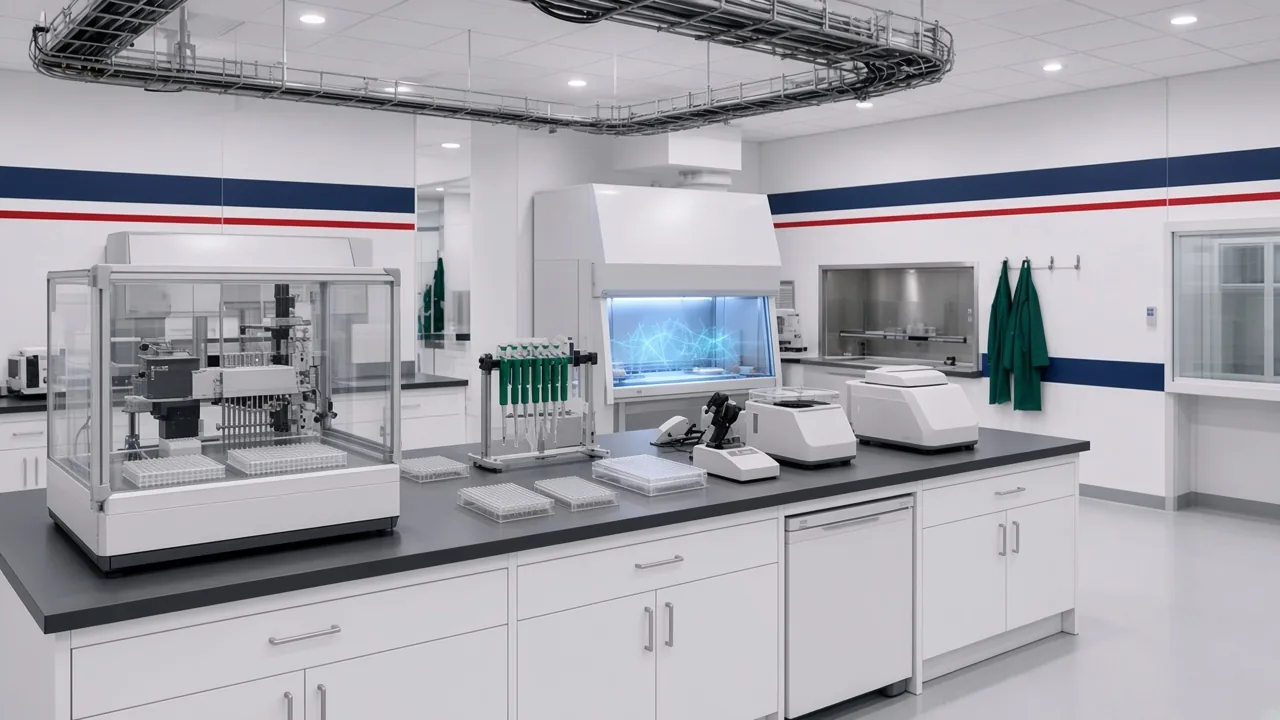 Library Preparation Room (Pre-PCR)Pre-amplification: 12 items with placement
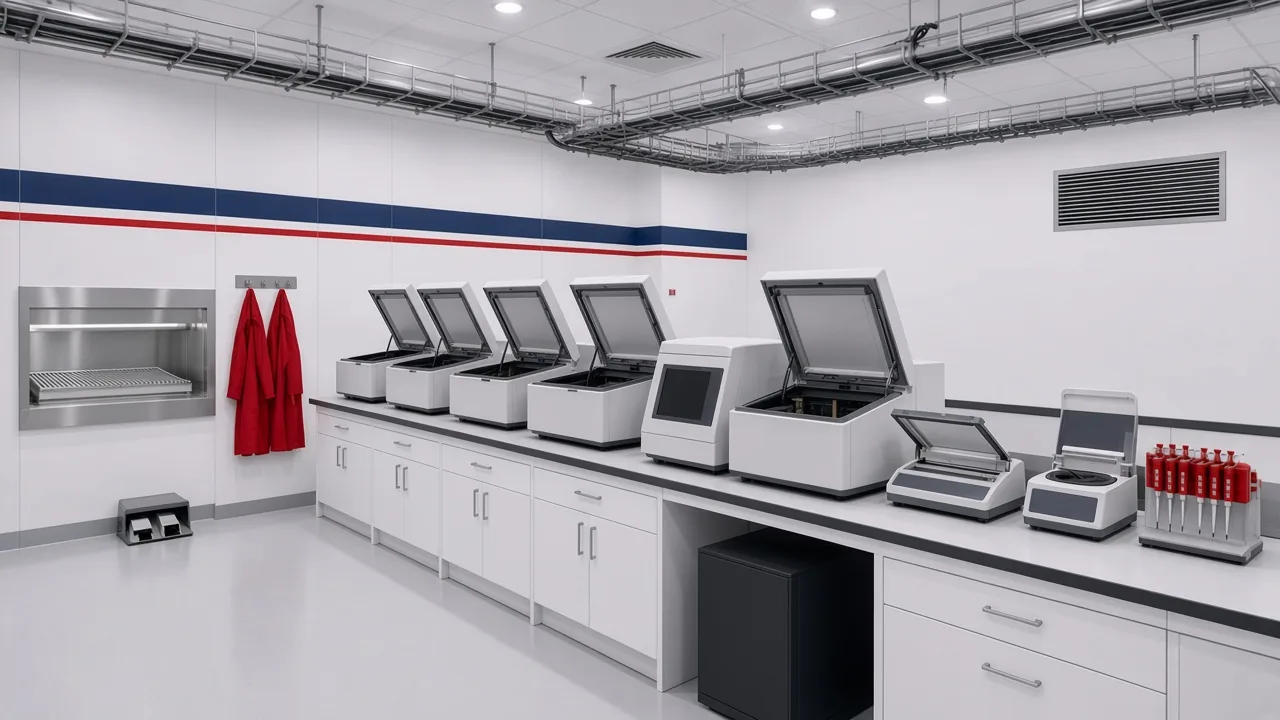 Amplification RoomAmplification: 10 items with placement
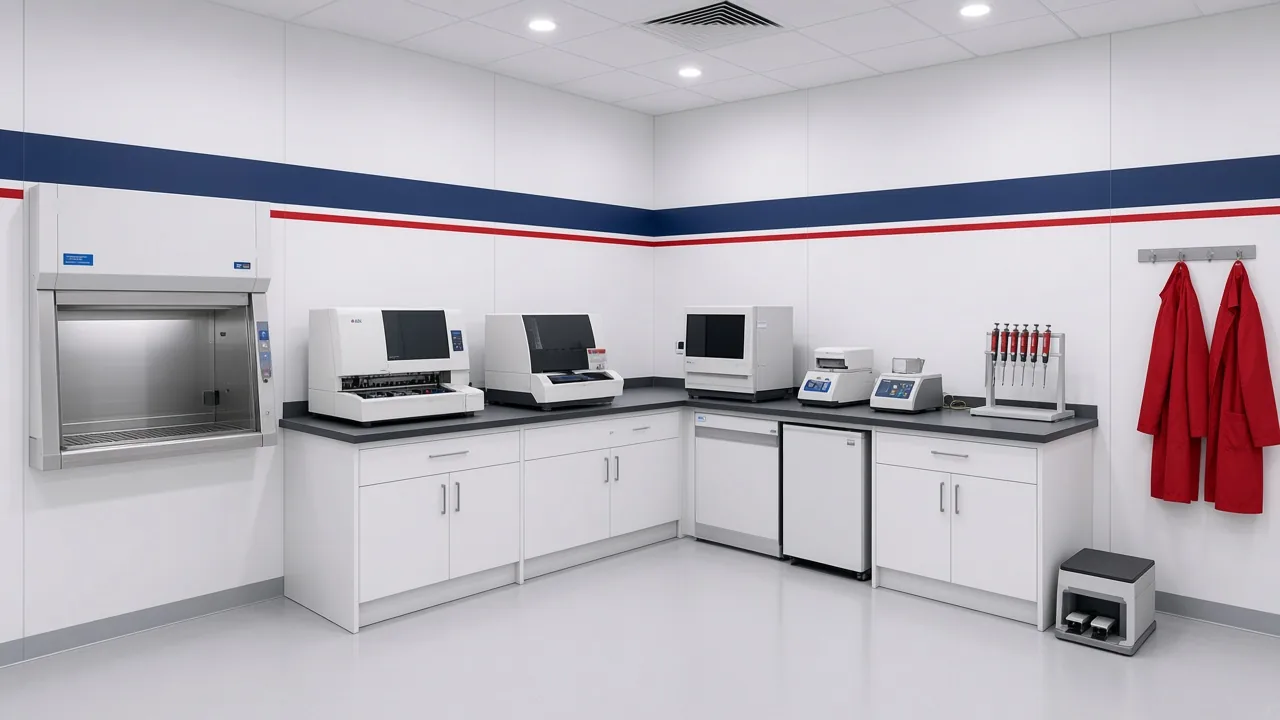 Post-PCR Library QC and Pooling RoomPost-amplification: 12 items with placement
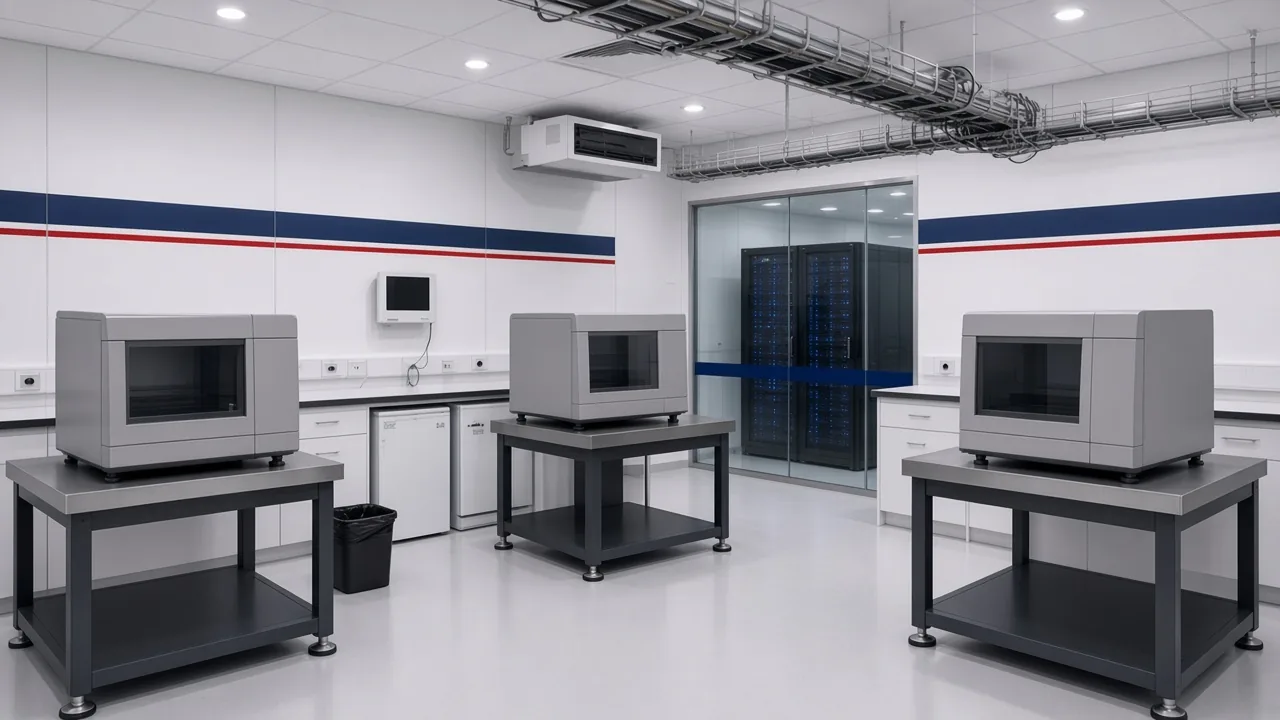 Sequencer RoomPost-amplification (instrument room): 9 items with placement
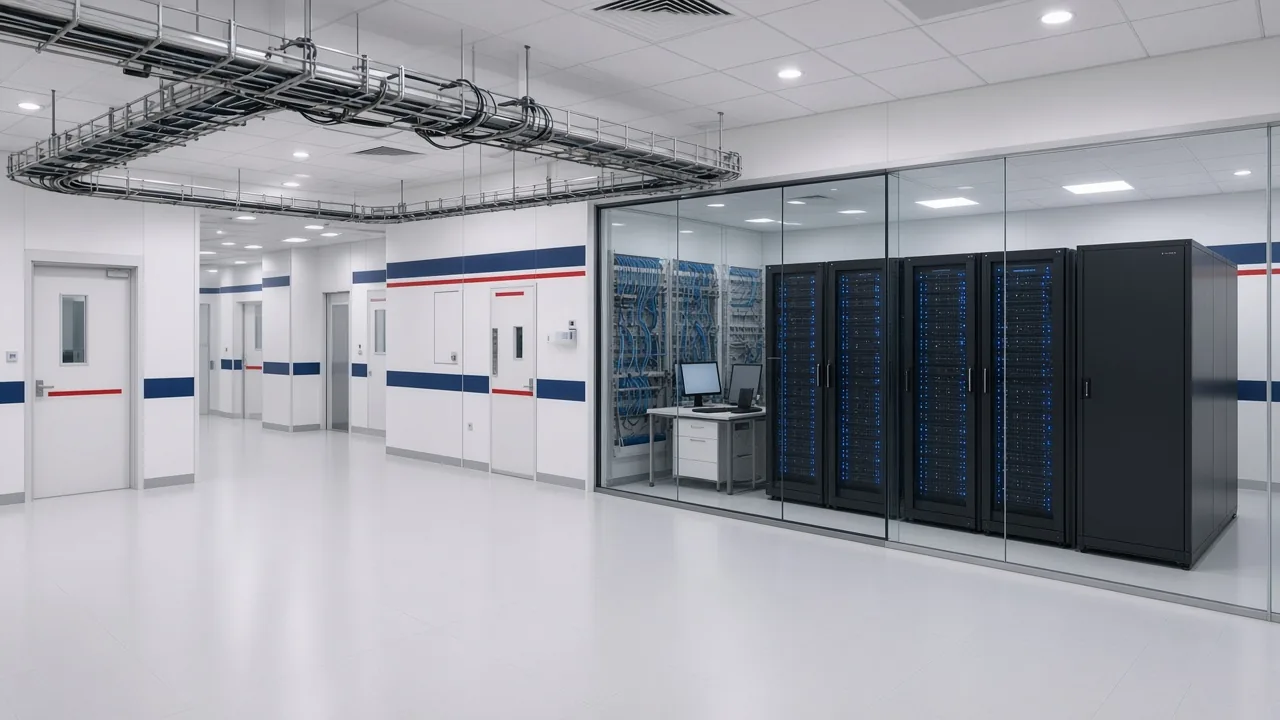 Data and Bioinformatics Server RoomData (no wet work): 8 items with placement
When to Grow
Adding a capture workflow, a production-scale sequencer or high volume usually needs a dedicated sequencer room and larger post-PCR space. Plan expansion paths now. Full guidance: NGS lab design.
How Sound Lab Consultants Helps
Small and benchtop NGS lab planning: compact layouts, platform fit, utilities and data, CLIA high-complexity licensure and validation for hospitals, practices and startups.
- Floor plan and workflow review before construction, not after a survey finding
- Independent of instrument, casework and construction vendors
- Written design memos, SOPs and validation plans your director can sign
- Remote and on-site support in all 50 states, from Chandler, Arizona
Design your lab right the first time
Sound Lab Consultants helps practices, hospitals, reference labs and diagnostic companies plan, build, validate and run molecular and NGS laboratories under CLIA, remotely or on site, in all 50 states.
Book a free consultationFrequently asked questions
How small can an NGS lab be?
With a benchtop sequencer, two to three rooms can work: pre-PCR, post-PCR with the sequencer, and data or office space. Size from your equipment list and workflow.
Can a benchtop sequencer share a room with post-PCR work?
Yes. Loaded libraries are amplified, so the post-PCR room is an acceptable location if power, cooling and bench stability meet the site preparation guide.
Do small NGS labs need a server?
They need reliable storage and backup; that can be a local NAS or server, cloud, or both, depending on the pipeline and data volume.
Sources
- 42 CFR 493.1101, Facilities (unidirectional workflow)
- CLSI MM09, Nucleic Acid Sequencing Methods in Diagnostic Laboratory Medicine
- CDC and APHL Next Generation Sequencing Quality Initiative
- 42 CFR 493.1443, Laboratory director qualifications (high complexity)
- College of American Pathologists, accreditation checklists
Related lab design guides
Diagrams and renders on this page are original illustrations by Sound Lab Consultants, not engineering drawings; final designs need a licensed architect and engineer and must meet local codes. Sound Lab Consultants is an independent laboratory consulting firm. We are not affiliated with or endorsed by CMS, FDA, CDC, NIH, CAP, COLA, The Joint Commission, CLSI, any state agency or any instrument manufacturer. This page is general information, not legal advice. Sound Lab Consultants, 25 Arizona Pl, Chandler, AZ 85225.